RF Matching Networks

RF matching networks are essential components that optimize the impedance between RF power sources and loads. They significantly enhance the performance and reliability of signal systems in various industrial applications.

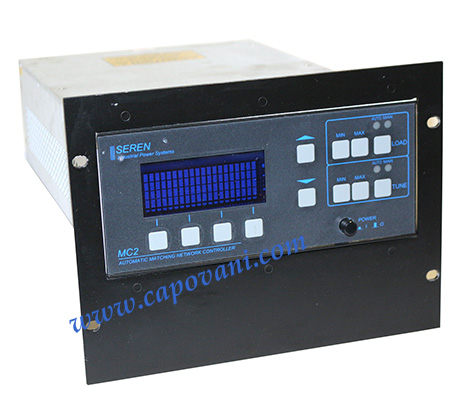
  1. RF POWER PRODUCTS MATCHING NETWORK CONTROLLER

    Matching Networks

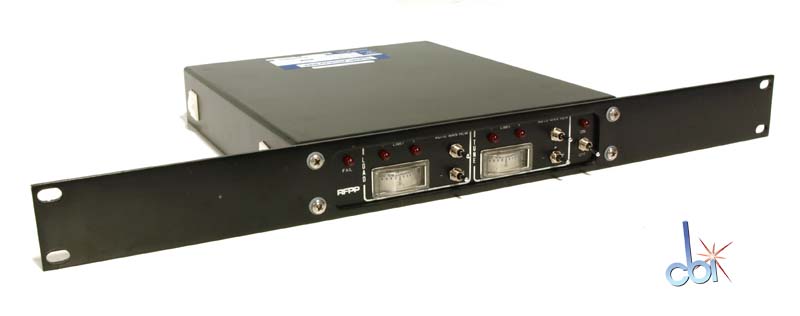
    RF POWER PRODUCTS MATCHING NETWORK CONTROLLER

    Matching Network Controller RF Power Products AMNPS 2A

    RF Power Products acquired by Advanced Energy Industries

    Representative photo, 19" rack mount plate may or may not be included
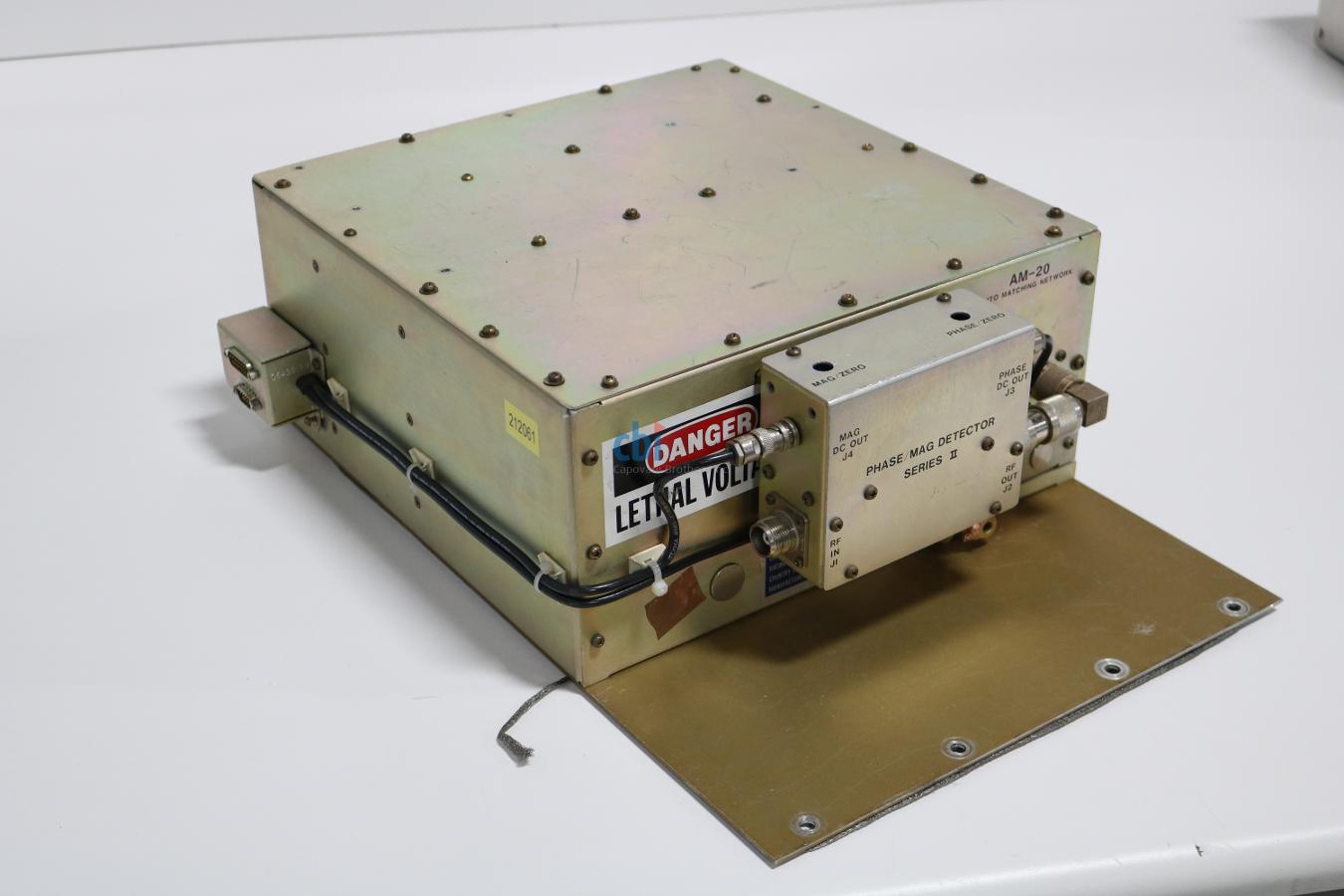
  2. RF POWER PRODUCTS AUTOMATIC MATCHING NETWORK AM-20

    Matching Networks

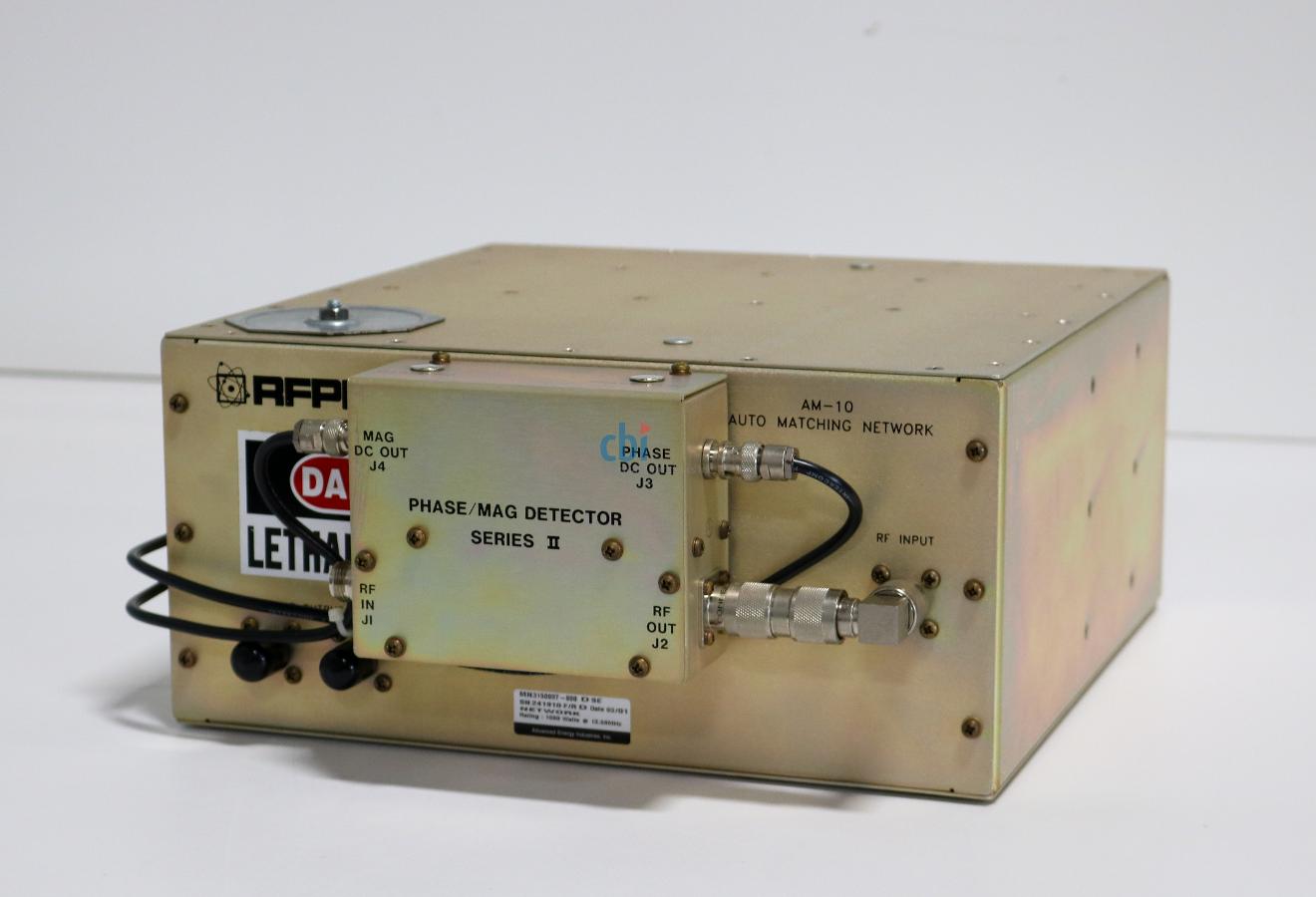
    RF POWER PRODUCTS AUTOMATIC MATCHING NETWORK AM-20

    Automatic Matching Network AM-20

Common Applications

Impedance matching

RF signal optimization

Industrial RF power systems

Buying Guide

RF Matching Networks Buying Guide

Selecting the right RF matching network is crucial for optimizing RF power systems. Consider these factors to ensure a suitable choice:

Understanding the specific impedance needs of your system and the power handling requirements is essential. The condition and history of the surplus equipment should be verified for reliable operation.

  • Verify the network's compatibility with existing RF systems and interfaces.
  • Check the automatic matching capabilities if facing dynamic load conditions.
  • Ensure availability of accurate manuals and documentation for installation and maintenance.
  • Inspect the physical condition to confirm proper utility connections and minimal wear.

Frequently Asked Questions

What is an RF matching network?
An RF matching network adjusts the impedance between the source and load to maximize power transfer in RF systems.
Why are surplus RF matching networks beneficial?
Surplus RF matching networks offer cost savings while ensuring adequate performance for existing system requirements.
What brands of RF matching networks are available?
Available brands include Advanced Energy, ENI Power Systems, RF Power Products, Daihen, and Seren.
How do automatic matching networks function?
Automatic matching networks automatically adjust to maintain optimal impedance matching without manual intervention.
\