Pressure Systems

Pressure systems are essential for controlled experiments and processes in laboratory settings. They ensure precise pressure management, supporting accurate and reliable outcomes.

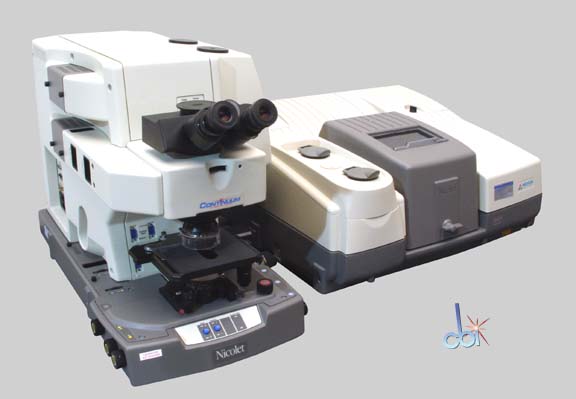
  1. NICOLET (THERMO) FT-IR SPECTROMETER

    FT-IR Spectrometers

    NICOLET (THERMO) FT-IR SPECTROMETER

    FT-IR with Spectra-Tech Continuum Scope and TGA Interface Nicolet NEXUS 470

    Nicolet acquired by Thermo Scientific
  2. VACUUM ATMOSPHERES SINGLE STATION GLOVE BOX

    Glove Boxes

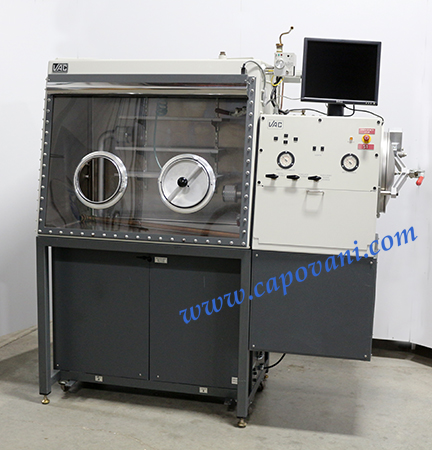
    VACUUM ATMOSPHERES SINGLE STATION GLOVE BOX

    Glovebox with Purification System.

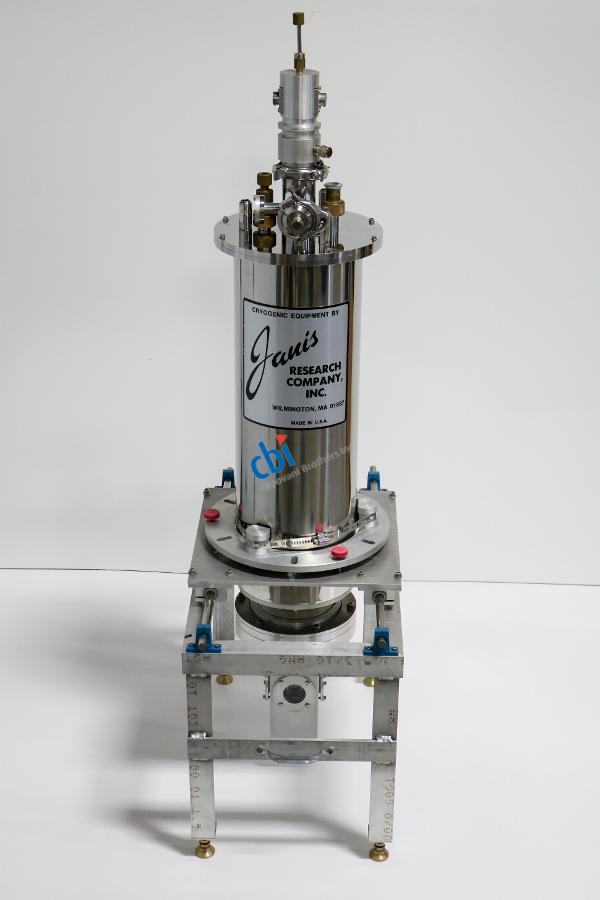
  3. JANIS RESEARCH CRYOSTAT 1.5K TO 300K

    Cryostats

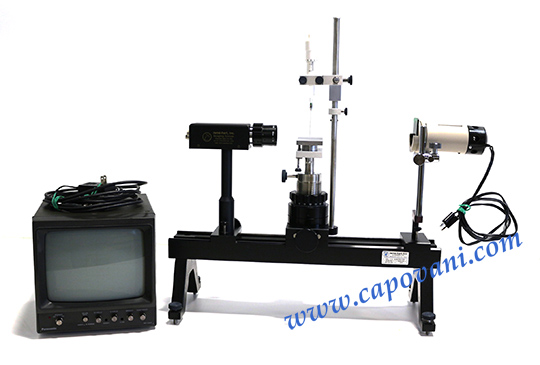
    JANIS RESEARCH CRYOSTAT 1.5K TO 300K

    Optical Research Cryostat

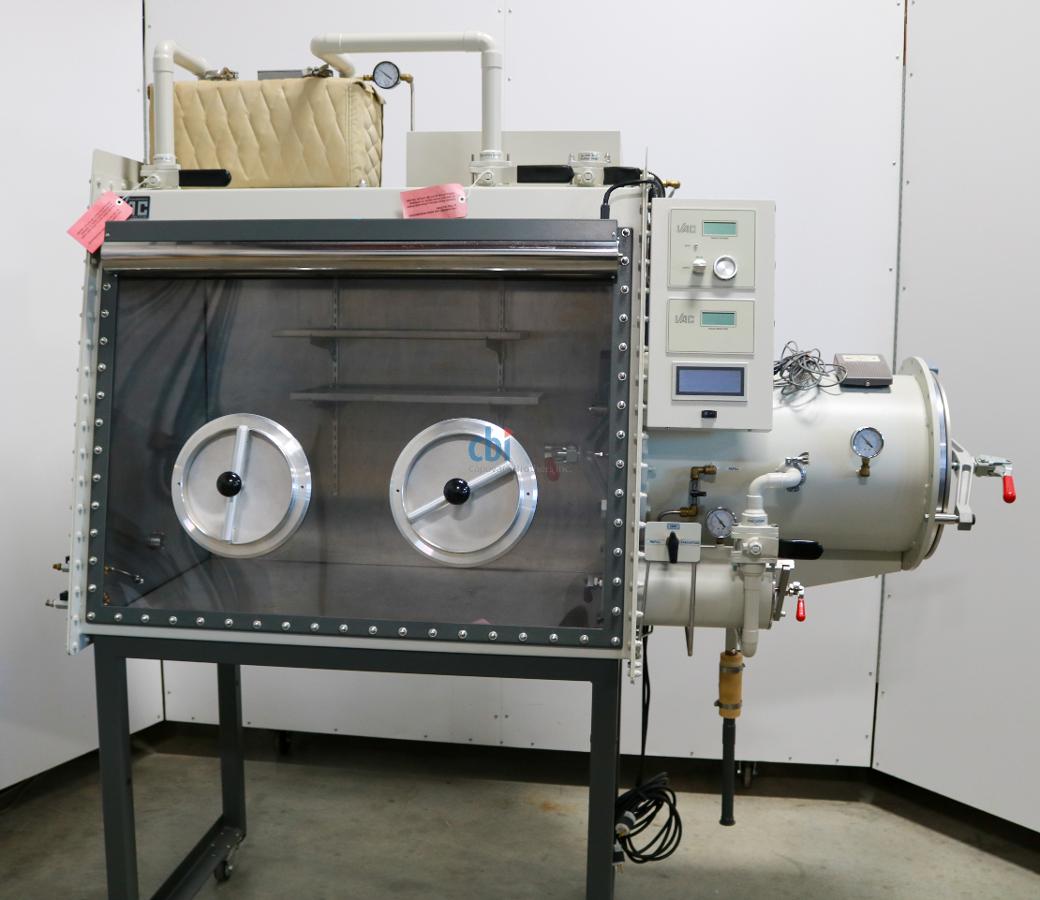
  4. VACUUM ATMOSPHERES SINGLE STATION GLOVEBOX

    Glove Boxes

    VACUUM ATMOSPHERES SINGLE STATION GLOVEBOX

    Glove Box with Integrated Purification System
    Make: Vacuum Atmospheres

    Model: OMNI-LAB 101965

    1 unit @ Best Price

  5. ADE Episcan 1000

    FT-IR Spectrometers

    ADE Episcan 1000

    ADE Episcan 1000 Film Thickness Measurement & Mapping Tool

    • Measurement of Epi Films <25µ
    • ON-LINE TECHNOLOGIES 2110 Spectrometer Head
    • IRVINE OPTICAL Nanoloader II Dual Cassette Wafer Handler
    • ADE ACS Controller
    • Windows NT Operating System
    • Price.............................................................................$75,000.00
    • As-Is Price....................................................................$40,000.00

Common Applications

Laboratory experiments

Chemical synthesis

Material testing

Pressure testing

Controlled reactions

Gas analysis

Buying Guide

Pressure Systems Buying Guide

When selecting pressure systems for lab applications, several factors must be considered to ensure accurate and safe operation. It's crucial to match the system capabilities with your specific experimental requirements.

Ensure that the equipment is capable of handling the desired pressure ranges and volumes needed for your experiments. Additionally, verify the compatibility with existing lab setups and materials.

  • Check the system's pressure and temperature ratings for compatibility with lab protocols.
  • Ensure the availability of safety features such as pressure relief valves and containment options.
  • Look for documentation and maintenance records to verify the system's history and current condition.
  • Assess the integration capabilities with other laboratory equipment or systems you use.

Frequently Asked Questions

What are pressure systems used for in labs?
Pressure systems are used for conducting experiments that require precise pressure control and containment of reactions.
Can pressure systems be used with hazardous materials?
Yes, certain pressure systems are designed to safely handle hazardous materials, ensuring safe containment and control.
What should I check when buying a surplus pressure system?
Verify the system's condition, compatibility with specific lab protocols, and that all safety documentation is included.
Are these systems compatible with existing lab setups?
Many pressure systems are designed to integrate into standard lab setups, but it's important to check specific configuration requirements.
\