Matching Networks

Matching networks optimize impedance between RF components, ensuring effective power transfer. They support enhanced efficiency and reliability in RF systems.

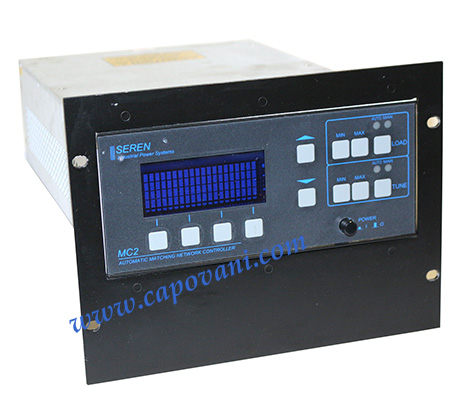
  1. RF POWER PRODUCTS MATCHING NETWORK CONTROLLER

    Matching Networks

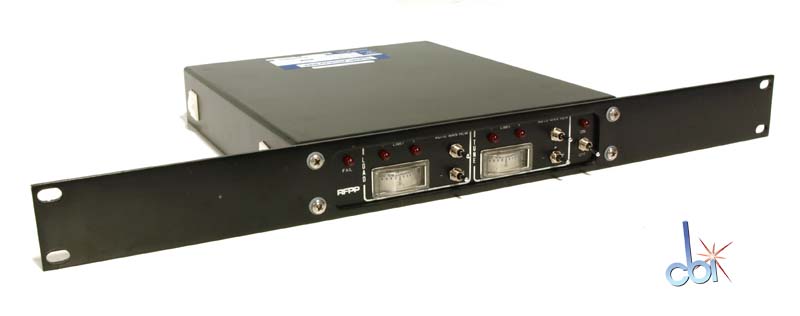
    RF POWER PRODUCTS MATCHING NETWORK CONTROLLER

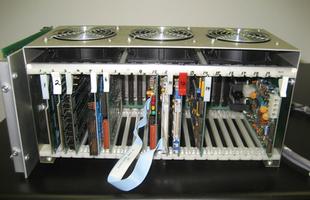
    Matching Network Controller RF Power Products AMNPS 2A

    RF Power Products acquired by Advanced Energy Industries

    Representative photo, 19" rack mount plate may or may not be included
  2. RF POWER PRODUCTS AUTOMATIC MATCHING NETWORK AM-20

    Matching Networks

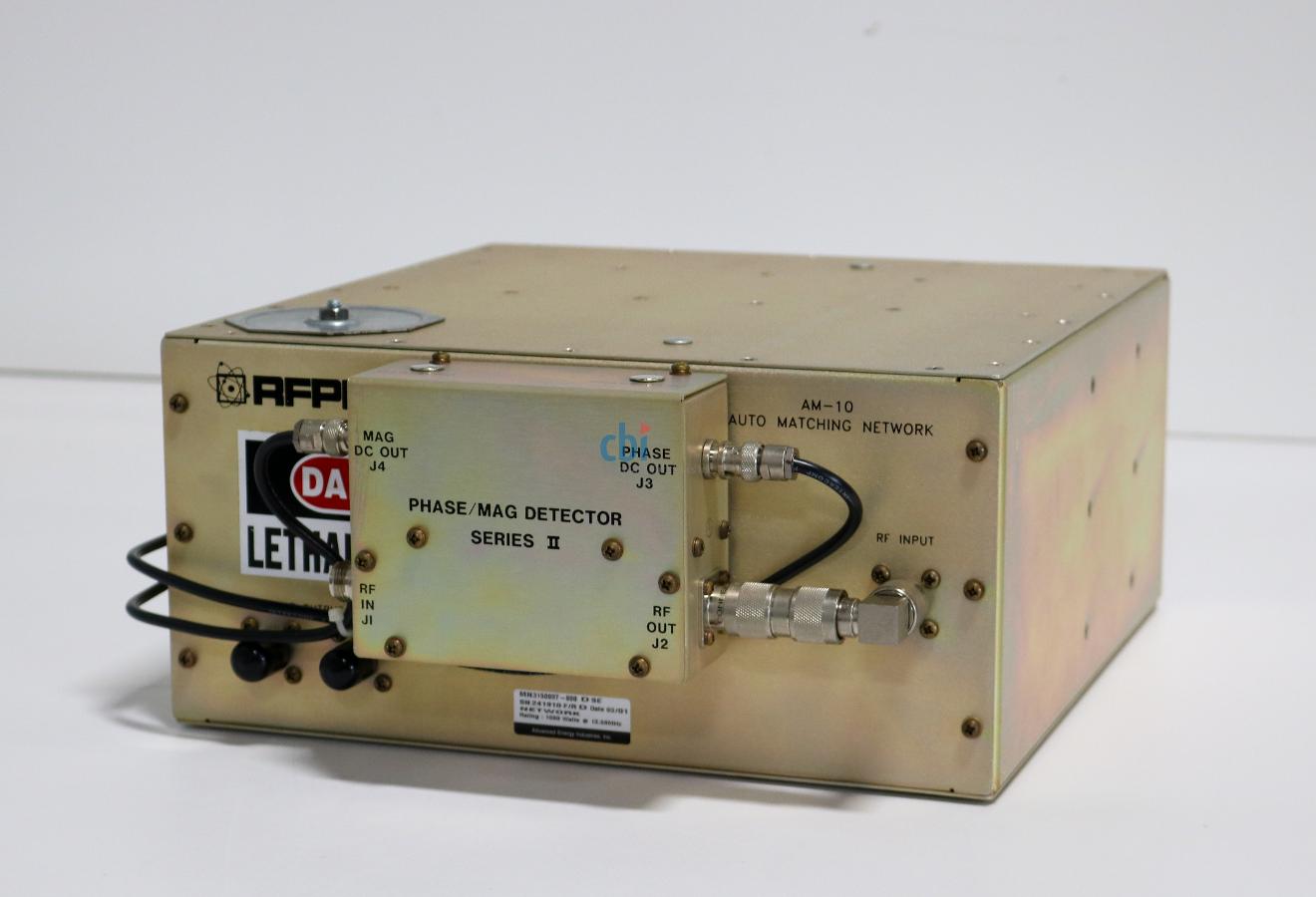
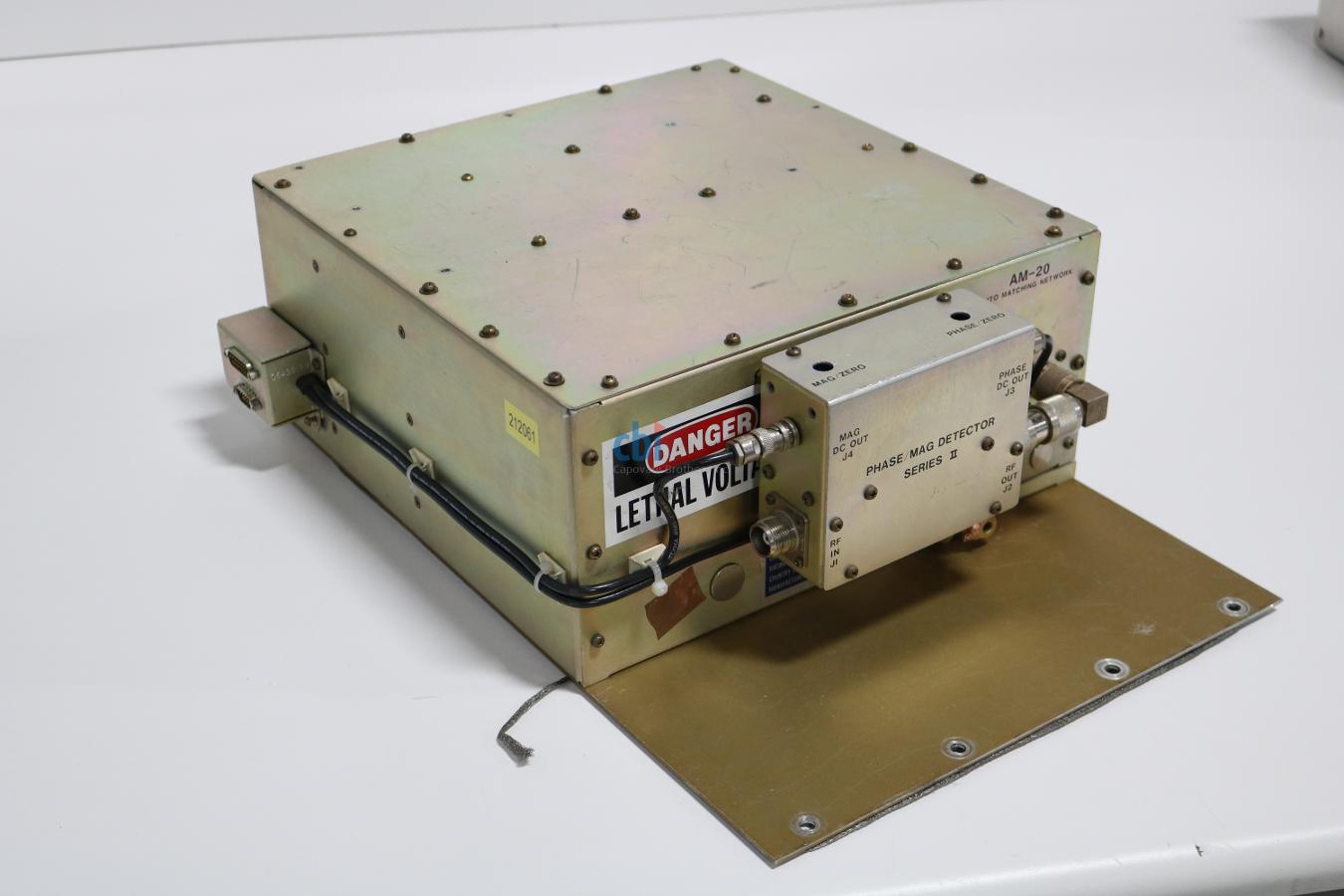
    RF POWER PRODUCTS AUTOMATIC MATCHING NETWORK AM-20

    Automatic Matching Network AM-20

Common Applications

RF systems

Power transfer optimization

Impedance matching

Buying Guide

Matching Network Buying Guide

When selecting a matching network for RF systems, consider several key factors to ensure compatibility and functionality.

Evaluate the network's impedance range and ensure it aligns with your system requirements. Consider the control interfaces available, especially if remote or automated control is necessary.

  • Check for compatibility with your existing RF components.
  • Verify the condition and calibration of surplus units before purchase.
  • Evaluate the inclusion of necessary accessories or manuals.
  • Consider the utility and environmental requirements for system integration.

Frequently Asked Questions

What is a matching network?
A matching network is a device that optimizes impedance between electrical components to maximize power transfer.
Why are matching networks important in RF systems?
They ensure efficient impedance matching, reducing power loss and enhancing system performance.
What brands offer matching networks?
Brands include Advanced Energy, ENI Power Systems, and Daihen.
Can I find automatic matching networks in surplus markets?
Yes, surplus markets often list automatic matching networks suitable for RF applications.
\