
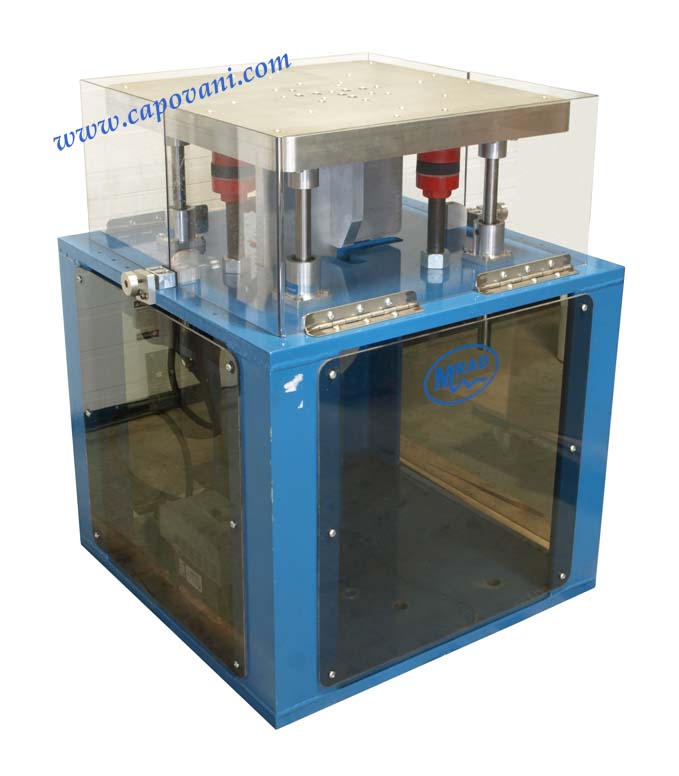
Vibration Testing Equipment
Vibration testing equipment is used to simulate the operational environment of components to assess their durability. Reliable testing ensures that electronic components can withstand real-world conditions.
-
-
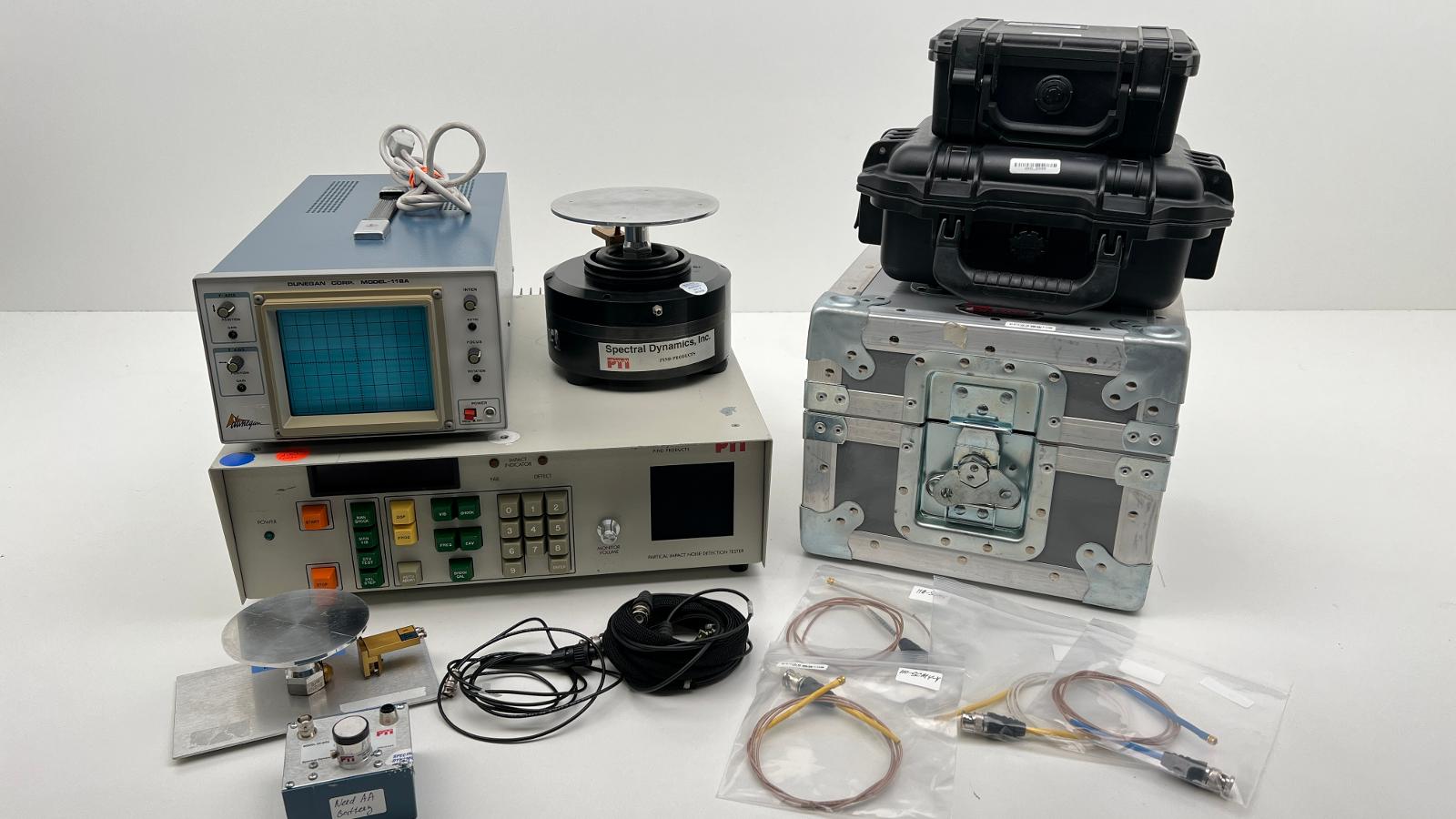
SPECTRAL DYNAMICS PIND TESTER - PARTICLE IMPACT NOISE DETECTION
Particle Impact Noise Detection Test System PIND
The 4501M has been designed to detect loose particles in electronic components such as integrated circuits, transistors, relays, and switches.
-

-
Popular Manufacturers
Common Applications
Durability assessment of electronic components
Impact resistance tests
Environmental stress screening
Quality assurance
Reliability testing
Simulation of operational environments
Frequently Asked Questions
What is a bump shaker?
A bump shaker is used to apply repetitive shocks to a test item to assess its durability.
How does a PIND tester work?
PIND testers detect loose particles in components by measuring noise generated upon impact.
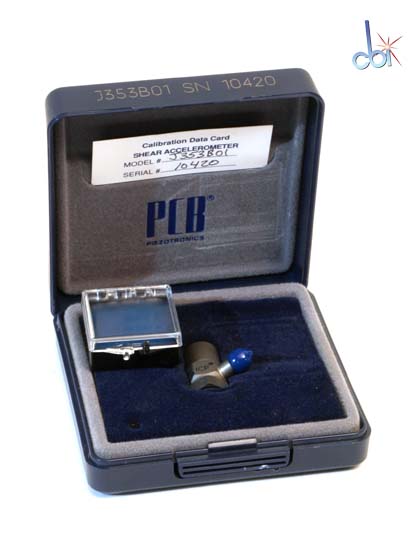
Why are accelerometers important in vibration testing?
Accelerometers measure the acceleration forces during tests to ensure accuracy.
What is the role of a shock machine?
A shock machine applies controlled shock pulses to test the impact resistance of products.
Log in with your username/email address