

Viscosity Measurement Instruments
Viscosity measurement instruments are essential for determining the resistance of liquid flow under an applied force. These devices ensure accurate and reliable results in laboratory testing environments.
Popular Manufacturers
Common Applications
Laboratory analysis
Quality control
Research and development
Frequently Asked Questions
What are common types of viscosity measurement instruments?
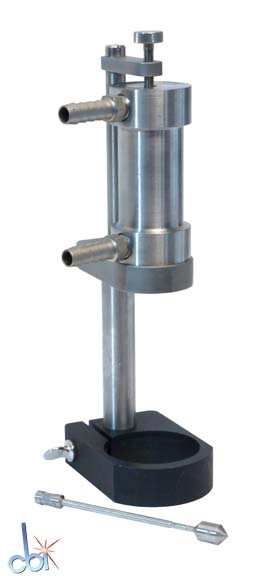
Common types include viscometers and related accessories like sample chambers and water-jacketed chambers.
How do sample chambers aid in viscosity measurement?
Sample chambers provide a controlled environment for the liquid sample, allowing for precise viscosity measurements.
Are surplus viscometer accessories reliable?
Yes, surplus viscometer accessories can be reliable if properly maintained and verified before use.
What should I check when buying surplus viscosity measurement instruments?
Check the condition, compatibility with existing systems, and availability of manuals or accessories.
Log in with your username/email address