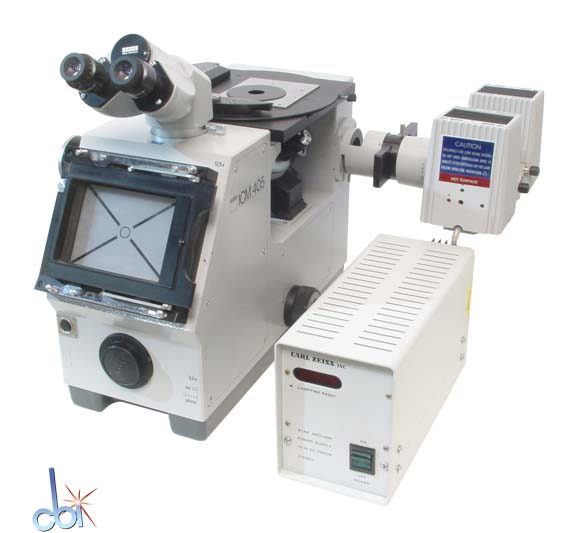
Stereo Microscopes

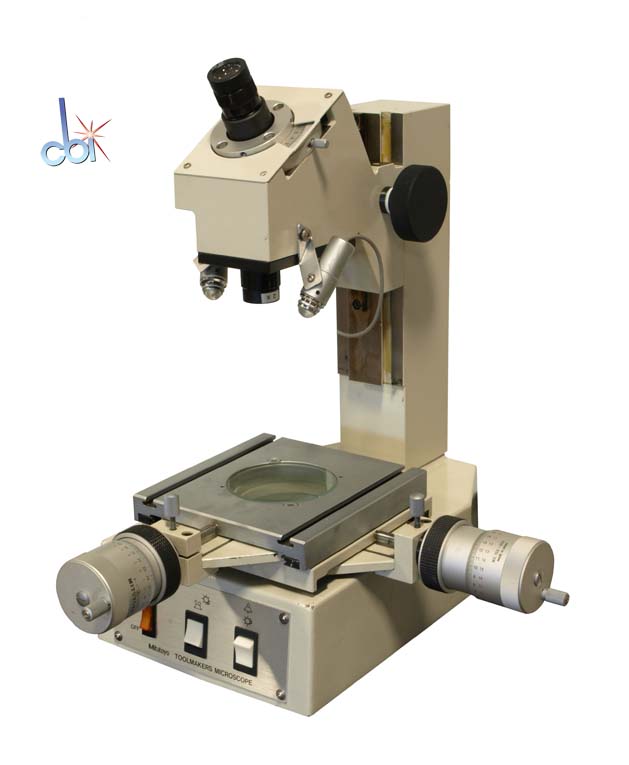
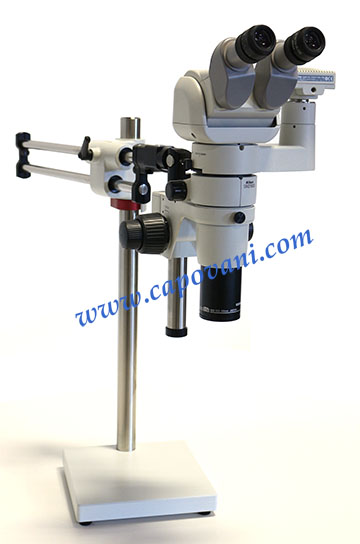
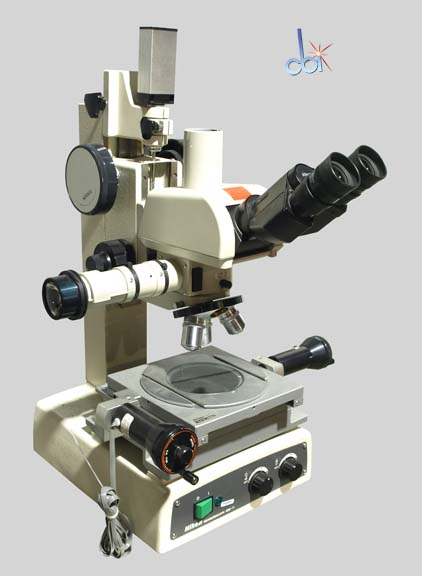
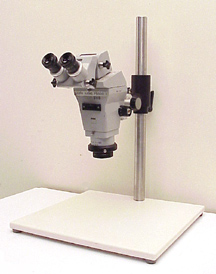
Stereo microscopes are optical instruments that provide a three-dimensional view of the specimen. They support detailed observation and precise imaging for scientific and industrial applications.

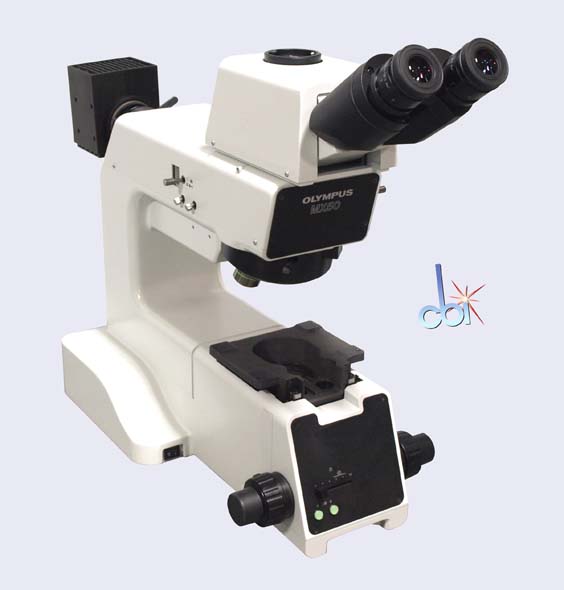
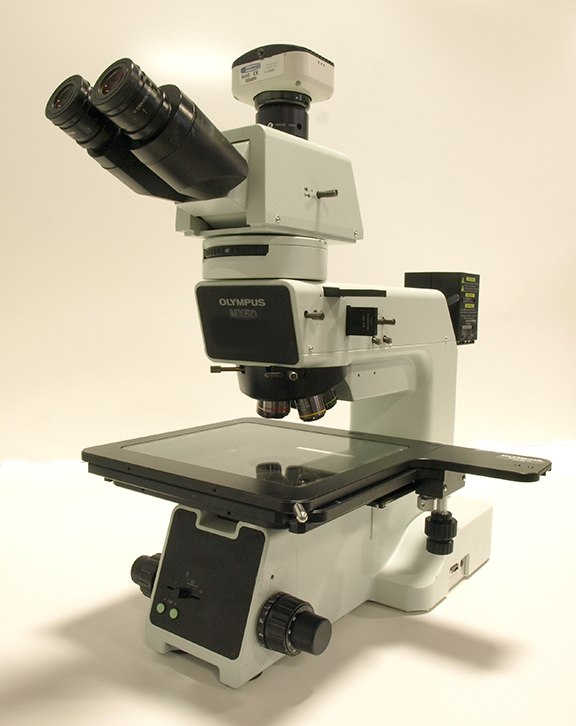
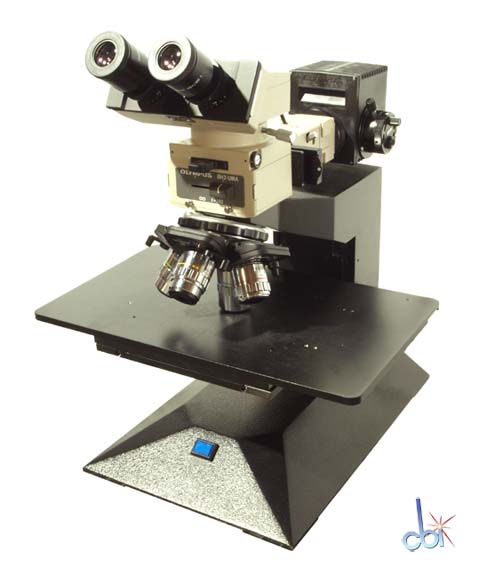
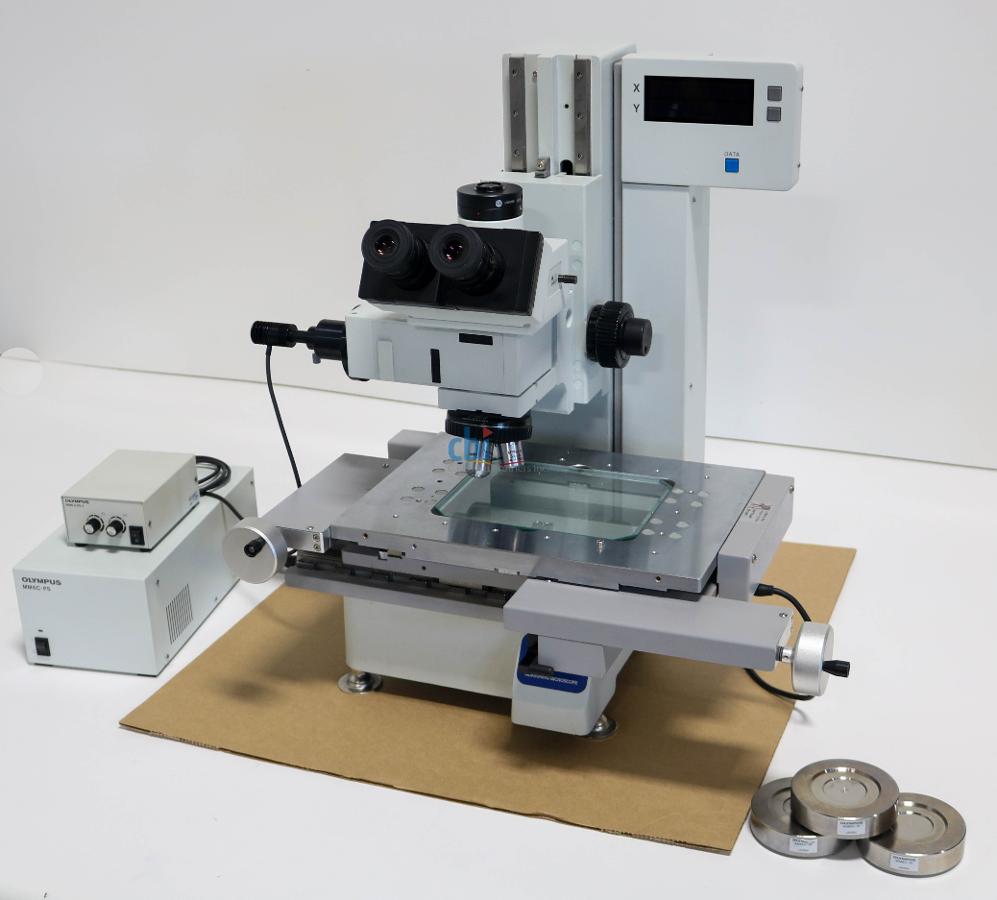
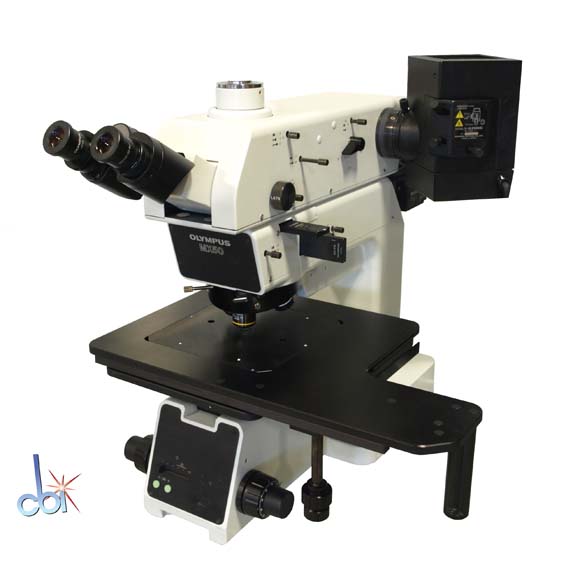
  1. OLYMPUS MICROSCOPE, REFLECTED LIGHT - BRIGHTFIELD, DARKFIELD/DIC

    Upright Microscopes

    OLYMPUS MICROSCOPE, REFLECTED LIGHT - BRIGHTFIELD, DARKFIELD/DIC

    Reflected Light Real-Time Confocal Microscope
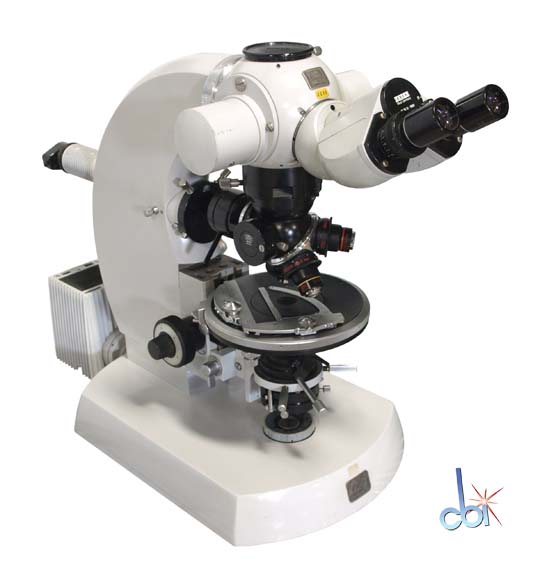
  2. ZEISS MICROSCOPE, REFLECTED/TRANSMITTED LIGHT

    Upright Microscopes

    ZEISS MICROSCOPE, REFLECTED/TRANSMITTED LIGHT

    Reflected/Transmitted Light Microscope, Brightfield and DIC
Common Applications

educational observation

industrial inspection

biological research

quality control

Buying Guide

Stereo Microscopes Buying Guide

When purchasing surplus stereo microscopes, consider the specific magnification range you require for your applications. Ensure compatibility with existing laboratory setups and accessories.

Check the condition of the microscope, ensuring that the optics are free from scratches and the mechanics operate smoothly. Verify that all essential parts, such as the stand and eyepieces, are included and functional.

  • Confirm the magnification range suits your needs.
  • Inspect optical clarity and mechanical condition.
  • Verify the inclusion of crucial components like eyepieces.
  • Check for any available warranties or service records.

Frequently Asked Questions

What is the magnification range of a stereo microscope?
Stereo microscopes typically offer magnification ranges from 6X to 102X, allowing for detailed analysis of objects.
Which brands of stereo microscopes are available?
Brands such as ZEISS, WILD, OLYMPUS, NIKON, and BAUSCH & LOMB are commonly found in surplus markets.
Are these microscopes suitable for educational purposes?
Yes, stereo microscopes are ideal for educational purposes due to their ease of use and ability to provide a clear, detailed view of specimens.
What accessories might be included with surplus stereo microscopes?
Surplus stereo microscopes might include eyepieces, stands, and sometimes a photo tube, though specifics vary by listing.
\