
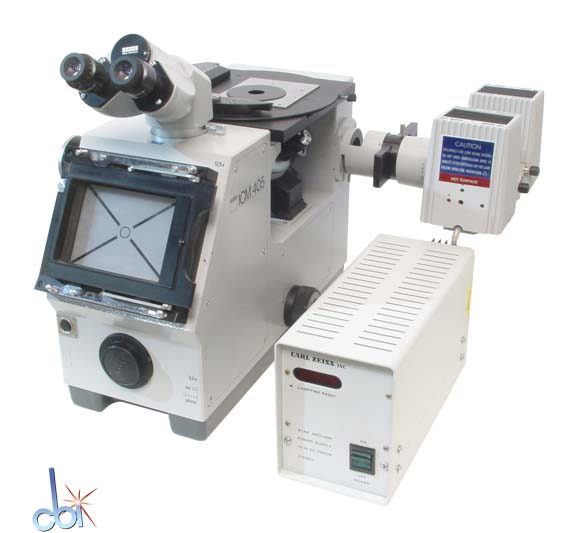
Inverted Microscopes

Inverted microscopes are essential tools for observing samples from below, suitable for studying cells and organisms in petri dishes. They enhance imaging capabilities by providing a clear view of the specimen, supporting reliable research outcomes.

Common Applications

cell culture analysis

live cell imaging

biological observation

Buying Guide

Inverted Microscope Buying Guide

Inverted microscopes are crucial for laboratories focusing on cell cultures and other biological samples.

Consider these factors when purchasing:

  • Check the availability of brightfield and DIC settings for versatile imaging options.
  • Ensure compatibility with existing laboratory equipment and accessories.
  • Examine the condition for signs of wear and verify functional status.
  • Confirm included accessories such as objectives and stage inserts for complete functionality.

Frequently Asked Questions

What is an inverted microscope used for?
Inverted microscopes are used for viewing samples at the bottom of containers, ideal for cell cultures in laboratories.
How does a brightfield setting enhance viewing in inverted microscopes?
Brightfield settings improve contrast in samples, aiding in detailed observation of specimen structures.
Can DIC microscopy be performed with an inverted microscope?
Yes, DIC (Differential Interference Contrast) microscopy can be used to enhance the contrast of unstained samples.
Why choose a surplus inverted microscope?
Choosing a surplus option offers cost-effective access to high-quality imaging equipment for laboratory use.
\