Spacers & Standoffs

Spacers and standoffs are critical components used to securely position and support electrical parts. They ensure precise alignment and stable connections, supporting reliable performance in electronic assemblies.

  1. MICROSCOPE STAND

    Stands

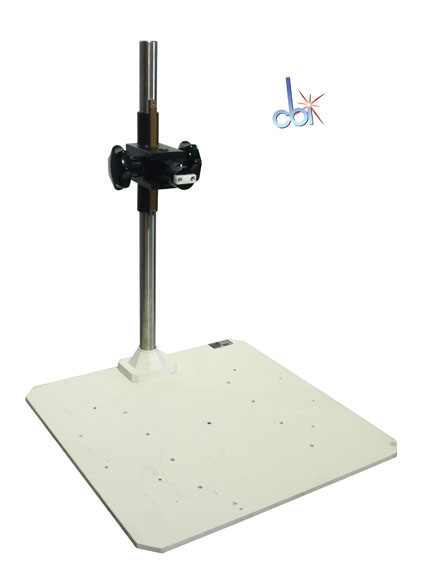
    MICROSCOPE STAND

    Large StereoZoom Microscope Stand Available only with purchase of a B&L, Nikon, or Olympus StereoZoom Microscope
  2. SEMPREX MICROSCOPE STAND

    Stands

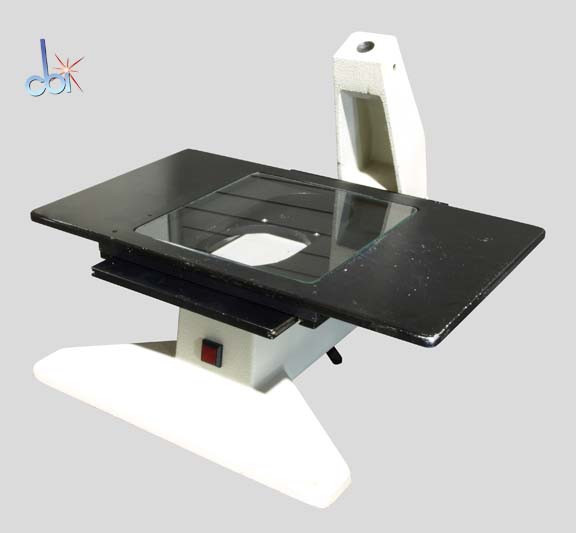
    SEMPREX MICROSCOPE STAND

    Microscope Stand w/ Transmitted Light Stage Microscope StandMicroscope and E-arm not included
  3. OLYMPUS MICROSCOPE STAND

    Stands

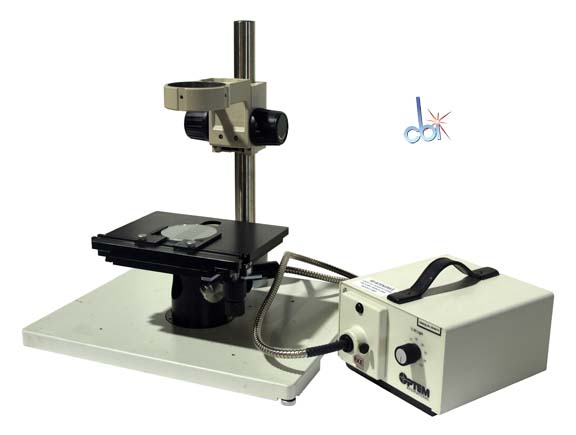
    OLYMPUS MICROSCOPE STAND

    StereoZoom Microscope Stand w/ Light Source Transmitted light StereoZoom microscope stand w/ light source and mechanical stage.

    Available only with purchase of Olympus or Nikon StereoZoom Microscope.
  4. BAUSCH & LOMB TYPE K STAND

    Stands

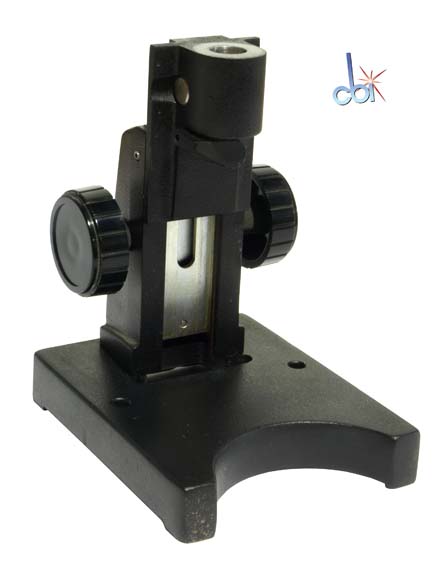
    BAUSCH & LOMB TYPE K STAND

    K Stand for B&L StereoZoom Microscopes Available Only with Purchase of a Bausch & Lomb StereoZoom MicroscopeE-Arm not included
  5. BOOM STAND

    Stands

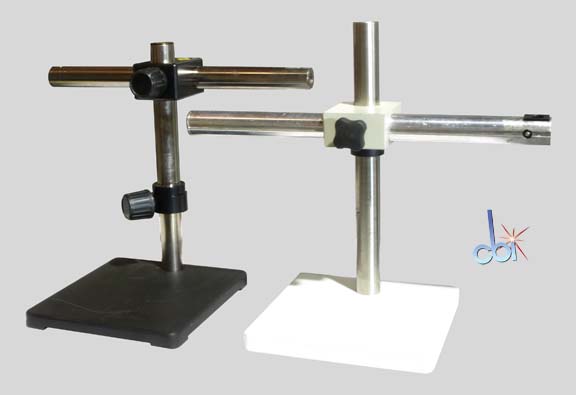
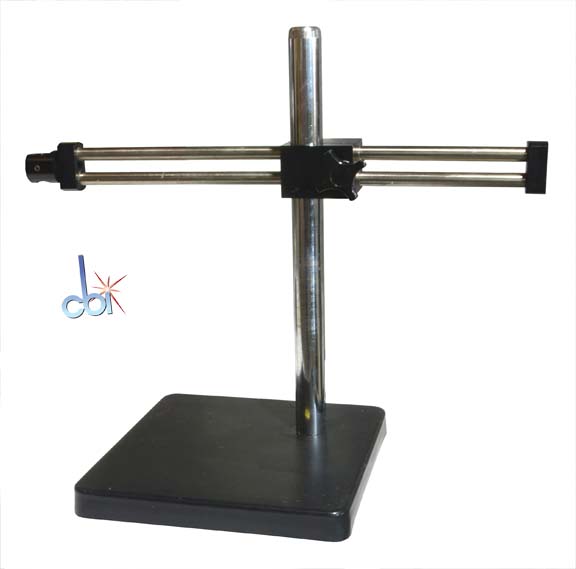
    BOOM STAND

    Dual Arm Microscope Boom Stand Stands can be fitted for B&L StereoZoom Microscopes, Leica StereoZoom Microscopes, Nikon StereoZoom Microscopes, and Olympus StereoZoom MicroscopesAvailable only with purchase of a Stereozoom MicroscopeE-arm not included
  6. SEMPREX MICROSCOPE STAND

    Stands

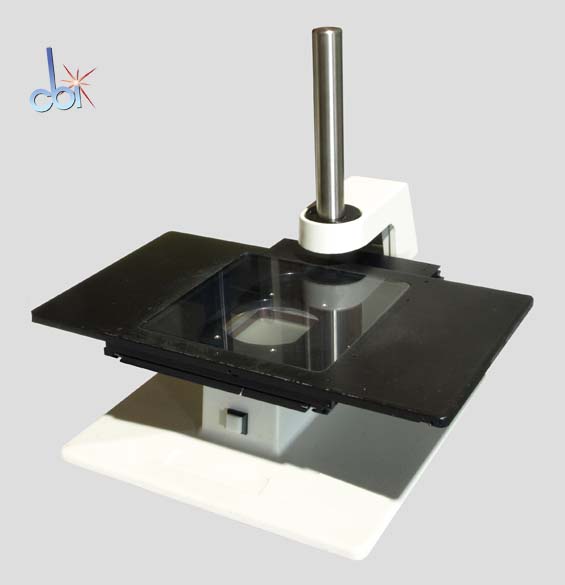
    SEMPREX MICROSCOPE STAND

    Microscope Stand w/ Transmitted Light Stage Microscope StandMicroscope and E-arm not included
  7. BAUSCH & LOMB 31-26-88 TYPE A INCIDENT LIGHT STAND

    Stands

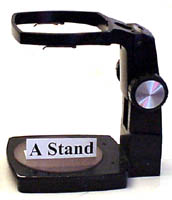
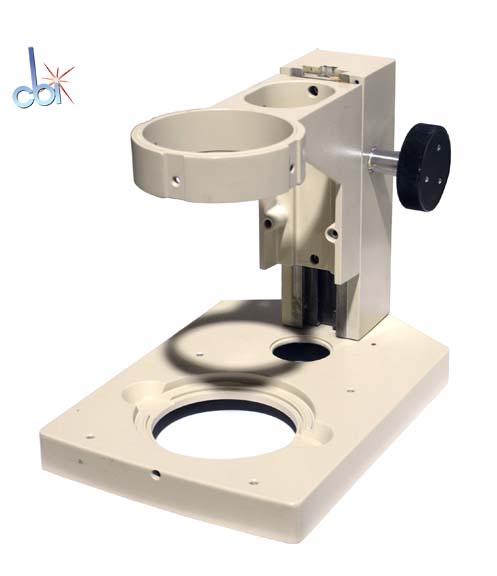
    BAUSCH & LOMB 31-26-88 TYPE A INCIDENT LIGHT STAND

    Type A Incident Light Stand Available Only with Purchase of a Bausch & Lomb StereoZoom Microscope
  8. BOOM STAND

    Stands

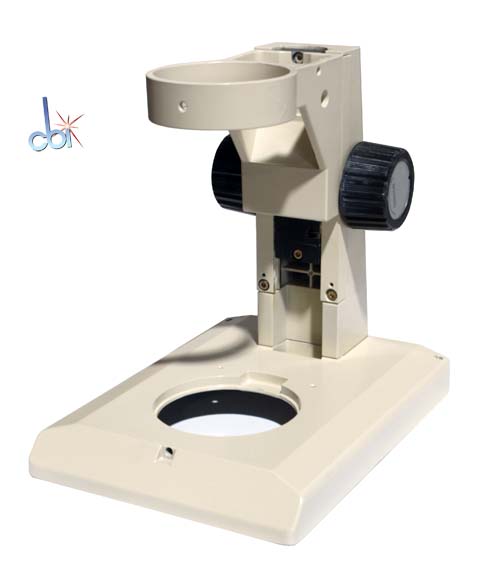
    BOOM STAND

    Microscope Boom Stand Stands can be fitted for B&L StereoZoom Microscopes, Leica StereoZoom Microscopes, Nikon StereoZoom Microscopes, and Olympus StereoZoom MicroscopesAvailable only with purchase of a Stereozoom MicroscopeE-arm not included
  9. SEMPREX MICROSCOPE STAND INCIDENT LIGHT

    Stands

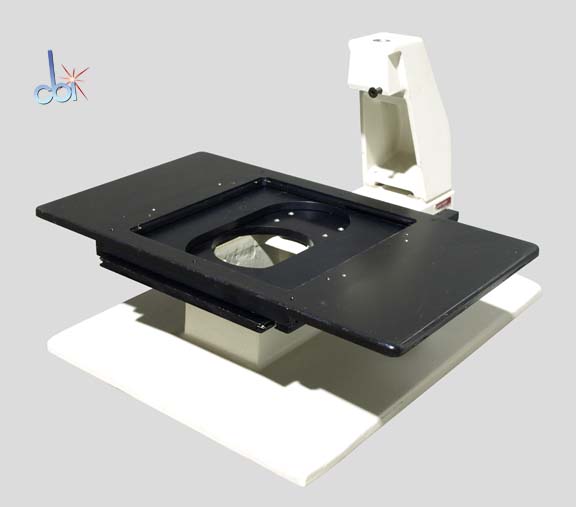
    SEMPREX MICROSCOPE STAND INCIDENT LIGHT

    Microscope Stand with Stage Semprex Model 102-401

  10. NIKON FOCUSING STAND

    Stands

    NIKON FOCUSING STAND

    Focusing Stand Available only with purchase of Nikon Stereozoom Microscope
  11. NIKON FOCUSING STAND

    Stands

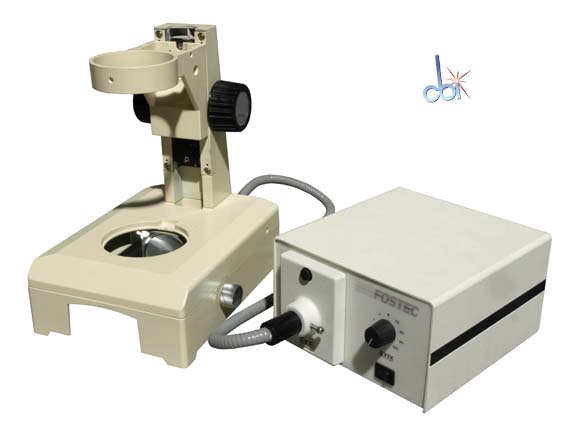
    NIKON FOCUSING STAND

    Focusing Stand With Diascopic Illuminator Base Available only with purchase of Nikon Stereozoom Microscope

Common Applications

PCB assembly

chassis mounting

panel separation

component isolation

electrical insulation

mechanical support

Buying Guide

Spacers & Standoffs Buying Guide

Choosing the right spacers and standoffs from surplus stock involves several considerations to ensure they meet your application needs.

Prioritize checking their length, diameter, and thread size to guarantee compatibility with your assembly.

  • Confirm the material suits your environment, whether it requires electrical insulation or mechanical robustness.
  • Check for compatibility with existing components, especially in terms of thread type and diameter.
  • Inspect for any signs of wear or damage if purchasing used spacers or standoffs.
  • Ensure that they include necessary documentation or specifications for precise installation guidance.

Frequently Asked Questions

What are spacers and standoffs?
Spacers and standoffs are components used to create space between two objects, ensuring proper alignment and support in electronic assemblies.
How do I choose the right spacer or standoff?
Selecting the right spacer or standoff depends on the required length, thread type, and material to suit the specific application.
Can spacers be used in any electronic assembly?
Yes, spacers are versatile and can be used across various electronic assemblies to maintain spacing and alignment.
What materials are spacers and standoffs made of?
They are typically made from materials like aluminum, brass, nylon, and stainless steel, each offering different levels of strength and insulation.
\