Fuses

Fuses are critical components designed to protect electrical circuits by breaking the connection when the current exceeds a certain threshold. They ensure system reliability by preventing circuit damage from overcurrent conditions.

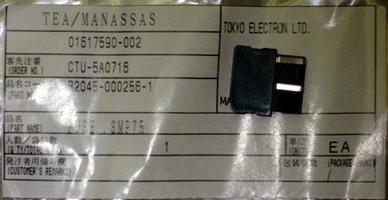
  1. TEL B2045-000256-1 Fuse SMP75

    Fuses

    TEL B2045-000256-1 Fuse SMP75

    TEL B2045-000256-1 Fuse SMP75 Fuse SMP75

    Make: Tokyo Electron Ltd

    Model: B2045-000256-1

    40 units @ Best Price

  2. Applied Materials Part Number 0910-01068

    Fuses

    Applied Materials Part Number 0910-01068

    FUSE, SLO-BLO TIME-DELAY 10A500V 13/32X1
  3. Littelfuse Part Number BLF003

    Fuses

    Littelfuse Part Number BLF003

    Fuses in Electrical and Electronic Components FUSE, 3A 250V PC-TRON FAST
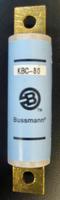
  4. Bussmann KBC-80 High Speed Fuse

    Fuses

    Bussmann KBC-80 High Speed Fuse

    High Speed Fuse 600V ac 80AMP High Speed Fuse 600V ac
  5. Gould Shawmut Inc. Part Number A4J200

    Fuses

    Gould Shawmut Inc. Part Number A4J200

    Fuse 200A 600V Amp Trap Fuses
  6. Reliance electric Part Number ECSR-50

    Fuses

    Reliance electric Part Number ECSR-50

    Dual Element Fuse 600V 50 A
  7. Cooper Bussman Inc. Part Number FRS-R-60

    Fuses

    Cooper Bussman Inc. Part Number FRS-R-60

    Dual Element Fuse 600V 60 A
  8. Cooper Bussman Inc. Part Number FRS-R-70

    Fuses

    Cooper Bussman Inc. Part Number FRS-R-70

    Dual Element Fuse 600V 70 A
  9. Cooper Bussman Inc. Part Number T30060-3CR

    Fuses

    Cooper Bussman Inc. Part Number T30060-3CR

    Class T Fuse Block W/JJN-60 amp Fuses
  10. Gould Shawmut Inc. Part Number TR90R

    Fuses

    Gould Shawmut Inc. Part Number TR90R

    FUSE
  11. Gould Shawmut Inc. Part Number TRS10R

    Fuses

    Gould Shawmut Inc. Part Number TRS10R

    FUSE
  12. Applied Materials Part Number 0910-90077

    Fuses

    Applied Materials Part Number 0910-90077

    Fuse 6,3 A

Common Applications

circuit protection

overcurrent prevention

electrical safety

Buying Guide

Fuses Buying Guide

When selecting fuses for your electrical systems, it's essential to focus on specific criteria.

Understanding the parameters and specifications will help you make an informed choice.

  • Verify the current and voltage ratings to match your system requirements.
  • Choose between time delay and fast acting types based on your application.
  • Check the physical size to ensure compatibility with existing holders or panels.
  • Review any specific industry compliance needs for your application.

Frequently Asked Questions

What is the purpose of a fuse in electrical systems?
Fuses protect electrical circuits by melting and breaking the circuit when excessive current flows through.
How do time delay fuses differ from regular fuses?
Time delay fuses can handle temporary power surges without blowing, making them suitable for devices with initial high power demands.
Why choose surplus fuses for your system?
Surplus fuses offer cost-effective solutions while maintaining the quality and reliability needed for electrical systems.
What should be considered when selecting a fuse?
Consider the current rating, voltage rating, and the specific application requirements when selecting a fuse.
\