
Vacuum Sensors
Vacuum sensors are essential for monitoring and maintaining pressure levels in industrial systems. They ensure reliable operation by providing accurate measurements crucial for process stability.
-
-
-
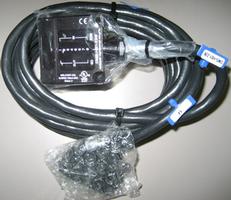
Applied Materials 0190-23270
Hokuyo DMS-HB1-Z09 Optical Sensor Tranceiver Optical Sensor Tranceiver -
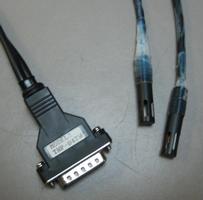
Shinyei Kaisha THP-B4TW Temperature and Humidity Sensor
Shinyei Kaisha THP-B4TW Temperature and Humidity Sensor Temperature and Humidity Sensor -

TEL B22986-427121-11 Sensor, 8 Detect #01 360
TEL B22986-427121-11 Sensor, 8 Detect #01 360 Sensor, 8 Detect #01 360 -
-
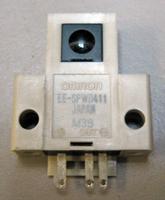
Omron EE-SPWD411 Photo Micro Sensor
Omron EE-SPWD411 Photo Micro Sensor Photo Micro Sensor -
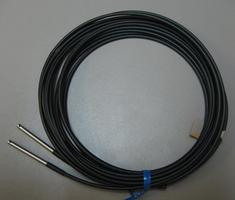
TEL 2986-400515-13 CT Cup Sensor Cable (L)
TEL 2986-400515-13 CT Cup Sensor Cable (L) CT Cup Sensor Cable (L) -
Omron EE-SPX613 Amplified Photomicrosensor
Omron EE-SPX613 Amplified Photomicrosensor Amplified Photomicrosensor -
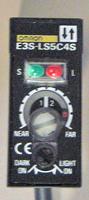
Omron E3S-LS5C4S Photoelectric Sensor
Omron E3S-LS5C4S Photoelectric Sensor Photoelectric Sensor -
TEL B22987-447157-12 8 CHP Cover Sensor Parts
TEL B22987-447157-12 8 CHP Cover Sensor Parts 8 CHP Cover Sensor Parts -

Keyence F-5HA Fiber Optic Sensor Head
Keyence F-5HA Fiber Optic Sensor HeadSmall-spot, Side-view Lens
Popular Manufacturers
Common Applications
Industrial systems
Pressure monitoring
Process stability
System integrity
Vacuum measurement
Industrial maintenance
Frequently Asked Questions
What are vacuum sensors used for?
Vacuum sensors are used to monitor pressure levels in industrial applications to ensure system integrity.
Can these sensors be used in high-temperature environments?
They are generally designed for stable environments, but it's important to check the specifications for temperature compatibility.
How do I verify the condition of a surplus vacuum sensor?
Inspect for physical damage and ask for calibration records to verify its functionality.
What brands are available for vacuum sensors?
Only brands such as Robitech Incorporated and GCA/Precision Sci are listed in this marketplace.
Log in with your username/email address