
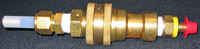
Pipe Fittings
Pipe fittings are essential components used to connect and control fluid flow in piping systems across industries. Ensuring optimal performance and reliability, they facilitate seamless integration and operation in fluid handling applications.
-
-
-
-
-
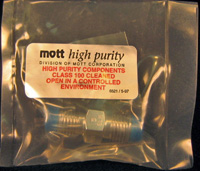
-
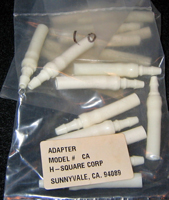
-
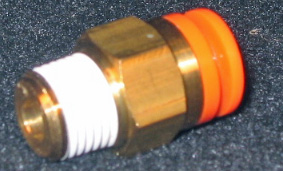
-
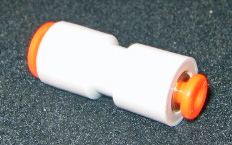
-
-

Texas Instruments
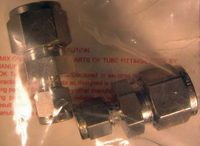
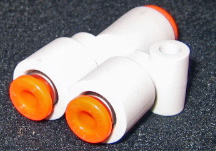
Fitting, Reducer 1/8" x 3/8" tube SSA Fitting, Reducer 1/8" x 3/8" tube SSA -
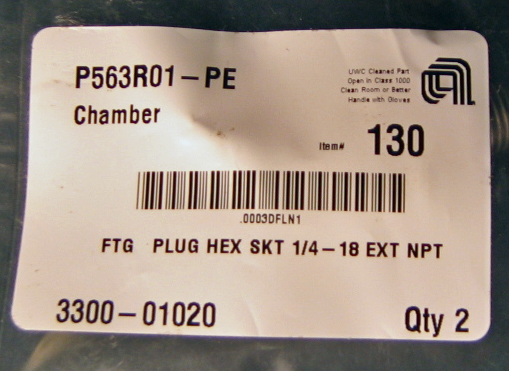
-
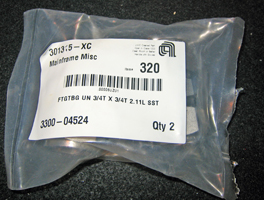
Popular Manufacturers
Common Applications
fluid transfer systems
industrial piping
gas lines
chemical transport
Frequently Asked Questions
What materials are common for pipe fittings?
Pipe fittings are often made from stainless steel, carbon steel, and other durable metals to withstand industrial conditions.
How do I choose the right pipe fitting size?
Select pipe fittings based on the pipe size, diameter, and specific application to ensure a proper fit and connection.
Can surplus pipe fittings be used in high-pressure systems?
Yes, many surplus pipe fittings are designed to handle high-pressure systems, but always verify specifications before use.
What maintenance is required for pipe fittings?
Regular inspections for leaks, corrosion, and wear are needed to maintain the integrity and performance of pipe fittings.
Log in with your username/email address