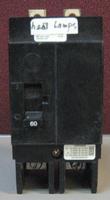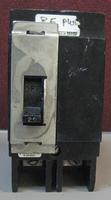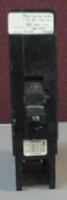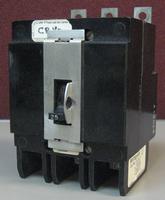

Circuit Breakers

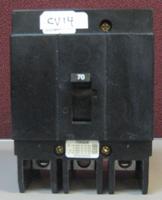
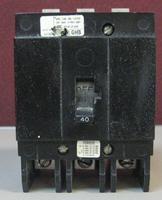
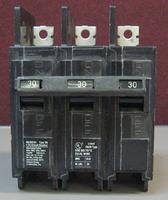
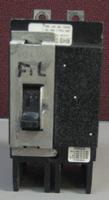
Circuit breakers are critical devices designed to interrupt current flow in electrical systems to prevent damage from overloads or short circuits. They enhance system reliability and ensure safety across various industrial and commercial electrical applications.
Common Applications

industrial electrical systems

commercial buildings

power distribution

safety systems

manufacturing equipment

Buying Guide

Circuit Breakers Buying Guide

When selecting a surplus circuit breaker, it's essential to ensure that it meets the specific requirements of your electrical system.

Proper selection not only enhances safety but also improves operational efficiency.

  • Confirm the voltage and current ratings align with your system requirements.
  • Verify the number of poles needed for your application.
  • Inspect the physical condition and ensure there are no signs of damage.
  • Check for necessary certifications or compliance with industry standards.

Frequently Asked Questions

What are the common voltage ratings for circuit breakers?
Common voltage ratings for circuit breakers include 120/240V, 240V, 480V, and 600V.
Which brands of circuit breakers are available?
Available brands include Westinghouse, Cuttler-Hammer, and ITE.
What factors affect the selection of a circuit breaker?
Factors include voltage and current ratings, number of poles, and application-specific requirements.
Are surplus circuit breakers as reliable as new ones?
Surplus circuit breakers can be reliable if properly tested and inspected for performance and safety.