
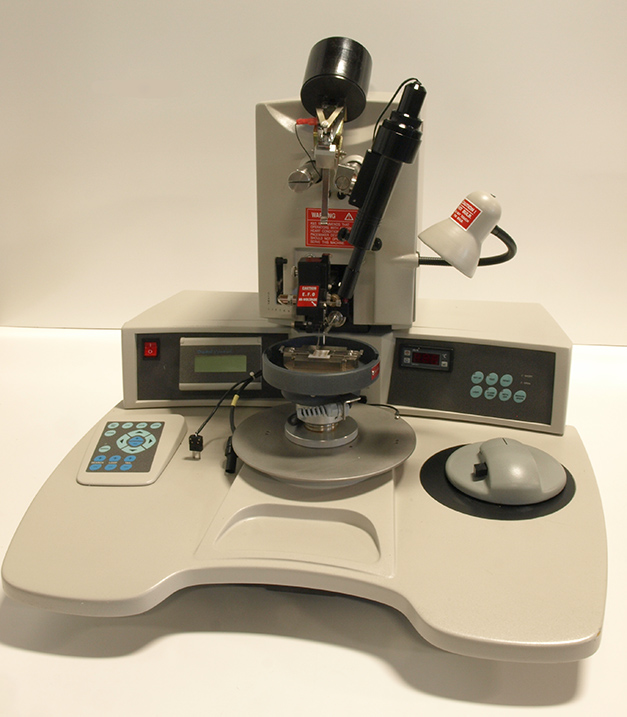
Manual Ball Bonders
Manual ball bonders are precision tools used in semiconductor manufacturing to form reliable electrical connections. These bonders ensure high performance and reliability in microelectronic assemblies.
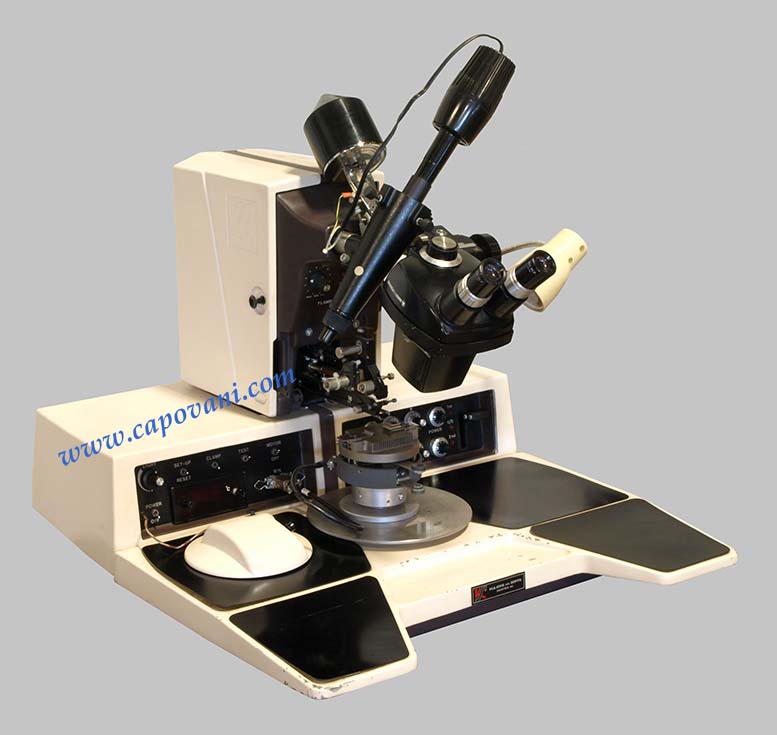
Popular Manufacturers
Common Applications
semiconductor manufacturing
microelectronics assembly
wire bonding
electrical connection formation
Frequently Asked Questions
What is a manual ball bonder used for?
A manual ball bonder is used to create electrical connections in semiconductor devices through wire bonding.
How does a ball bonder work?
A ball bonder works by creating a ball at the end of a wire and using heat and pressure to attach it to a contact point on the semiconductor device.
Why choose a manual ball bonder?
Manual ball bonders offer precision and control, making them ideal for small-scale or specialized semiconductor bonding applications.
What brands of manual ball bonders are available?
The marketplace features manual ball bonders from brands like Kulicke & Soffa (K&S).
Log in with your username/email address