

Oscilloscopes
Oscilloscopes are essential tools for capturing and analyzing electronic signals. They support precise measurement capabilities critical for diagnostics and development tasks.
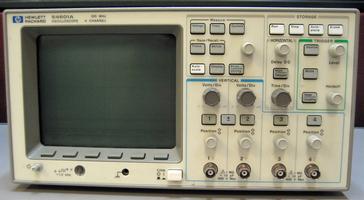
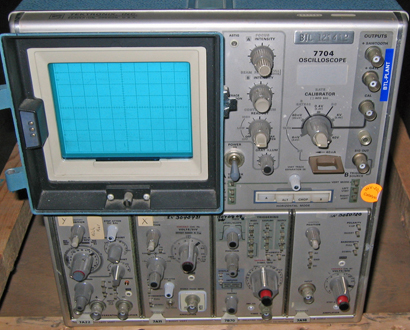
Popular Manufacturers
Common Applications
signal analysis
waveform visualization
electronics diagnostics
circuit testing
development labs
Frequently Asked Questions
What is an oscilloscope used for?
An oscilloscope is used to visualize and analyze the waveform of electronic signals.
How does a 4-channel oscilloscope benefit testing?
A 4-channel oscilloscope allows for the simultaneous analysis of multiple signals, facilitating comprehensive testing.
What frequency range does a 100 MHz oscilloscope cover?
A 100 MHz oscilloscope can accurately measure signals up to 100 megahertz.
Why choose surplus oscilloscopes?
Surplus oscilloscopes offer cost-effective solutions for high-quality signal testing.
Log in with your username/email address