
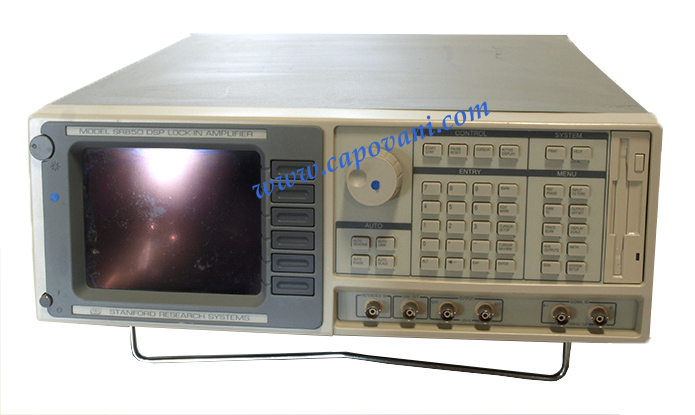
Lock-in Amplifiers
Lock-in amplifiers are precision instruments used to detect and measure very small AC signals in the presence of noise. They enable accurate and reliable measurements in various electronic testing applications.
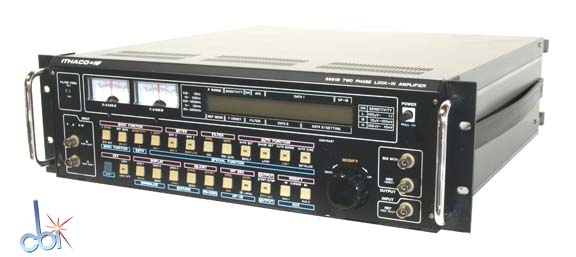
Popular Manufacturers
Common Applications
Signal detection
Phase measurement
Noise reduction
Electronic testing
Frequently Asked Questions
What is a lock-in amplifier used for?
A lock-in amplifier is used to detect and measure small AC signals by isolating them from noise, enabling precise electronic testing.
How does a lock-in amplifier work?
It uses phase-sensitive detection to extract a signal with a known carrier wave from extremely noisy environments.
What are the benefits of using a lock-in amplifier?
They offer enhanced sensitivity and accuracy in measurements, even in low signal-to-noise ratio conditions.
What should I consider when buying a surplus lock-in amplifier?
Check the phase accuracy, frequency range, and ensure it is calibrated and in good condition.
Log in with your username/email address