
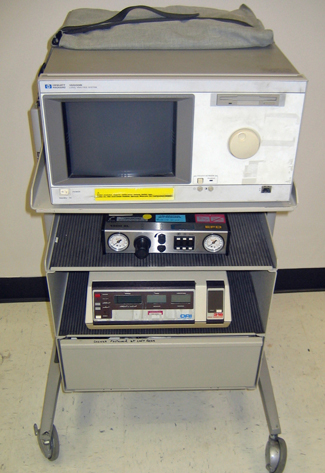
Logic Analyzers
Logic analyzers are devices used to capture and display multiple signals from digital systems. They support precision in electronic testing and debugging by providing in-depth signal analysis.
Popular Manufacturers
Common Applications
Electronic Circuit Analysis
Digital System Debugging
Signal Monitoring
Frequently Asked Questions
What is the primary function of a logic analyzer?
A logic analyzer is primarily used to capture and analyze multiple signals from a digital circuit.
How does a surplus logic analyzer benefit electronic testing?
Surplus logic analyzers offer cost-effective solutions for detailed signal analysis in electronic testing.
What should I consider when purchasing a used logic analyzer?
Consider the device's condition, supported channels, bandwidth, and included accessories or manuals.
Are logic analyzers compatible with all digital systems?
Compatibility depends on the analyzer's specifications and the system's signal types and requirements.
Log in with your username/email address