
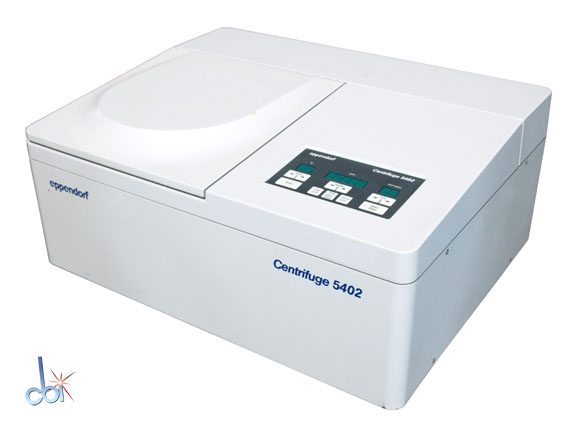
Refrigerated Centrifuges
Refrigerated centrifuges are essential for separating samples at lower temperatures. They ensure accurate results by maintaining specimen integrity during the centrifugation process.
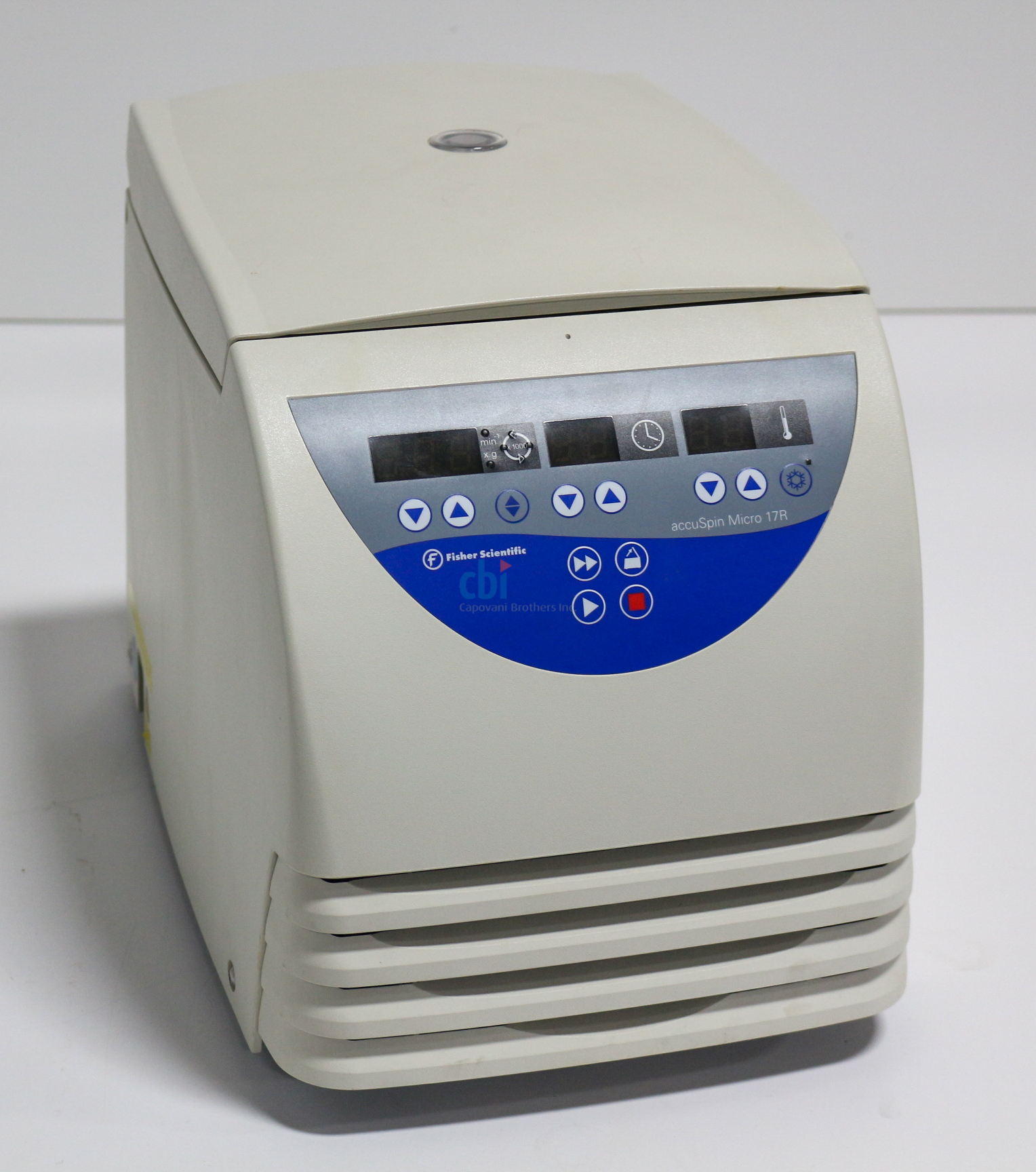
Popular Manufacturers
Common Applications
Laboratory sample separation
Biological research
Pharmaceutical testing
Frequently Asked Questions
What is a refrigerated centrifuge used for?
A refrigerated centrifuge is used to separate different components of a sample while maintaining a low temperature to preserve the integrity of the sample.
Why is temperature control important in centrifugation?
Temperature control in centrifugation is crucial as it prevents heat-sensitive samples from degrading, ensuring more accurate separation and results.
What brands of refrigerated centrifuges are available on the marketplace?
Available brands include Eppendorf and Fisher Scientific.
Can I find used refrigerated centrifuges on this platform?
Yes, the platform offers a selection of used and surplus refrigerated centrifuges.
Log in with your username/email address