
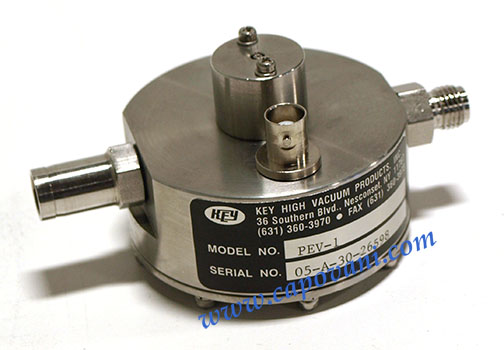
KEY HIGH VACUUM PIEZOELECTRIC GAS FLOW VALVE
Piezoelectric High Precision Gas Leak Valve - 1/4" FNPT inlet fitting and 1/2" OD tube outlet fitting. PEV Series
Vacuum in-line valves are essential components used to control the flow of vacuum within systems. They enhance vacuum operations by ensuring precise pressure regulation and flow management.
Piezoelectric High Precision Gas Leak Valve - 1/4" FNPT inlet fitting and 1/2" OD tube outlet fitting. PEV Series
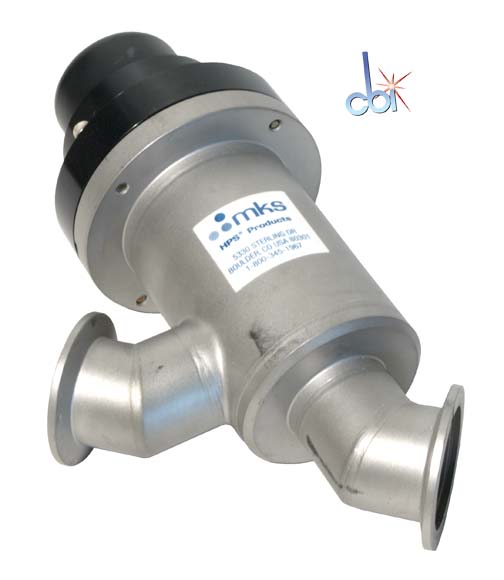
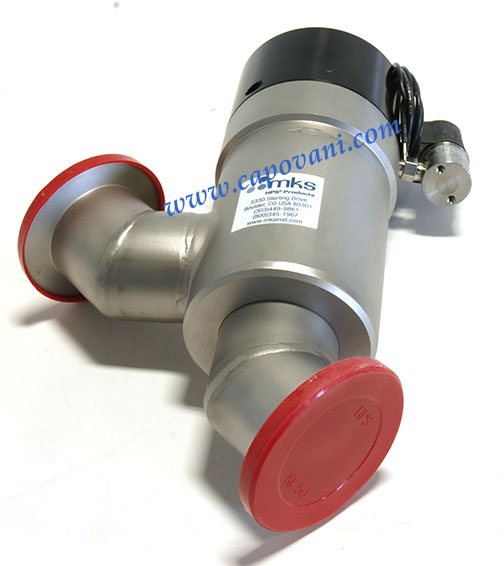
In-Line Vacuum Valve - New, never used. LoPro Series - Round Body
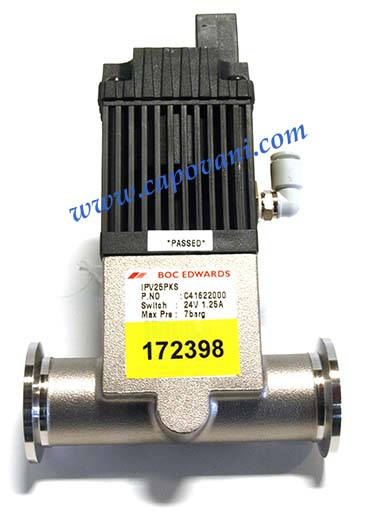
Pneumatic In-Line Isolation Valve Part number C41622000
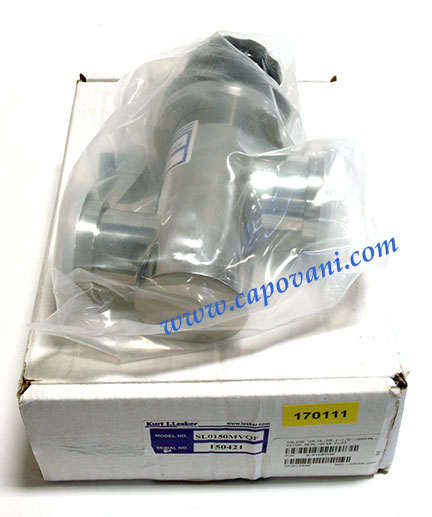
Manual Bellows Sealed Inline Vacuum Valves
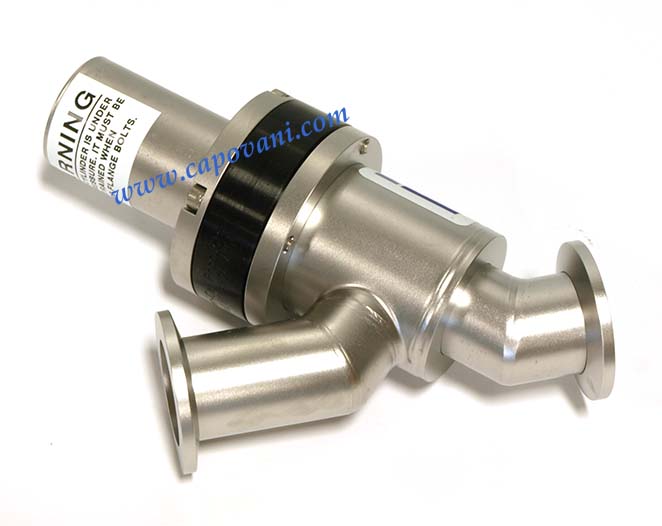
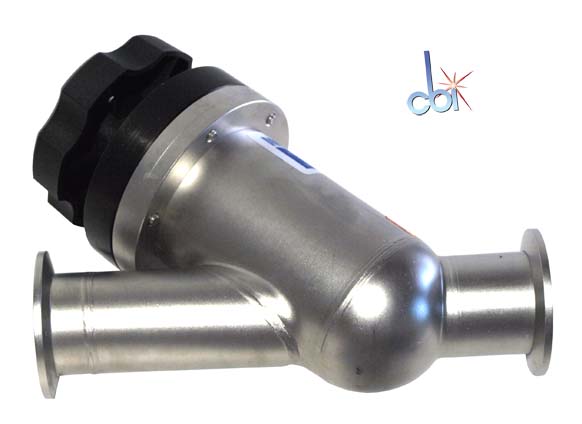
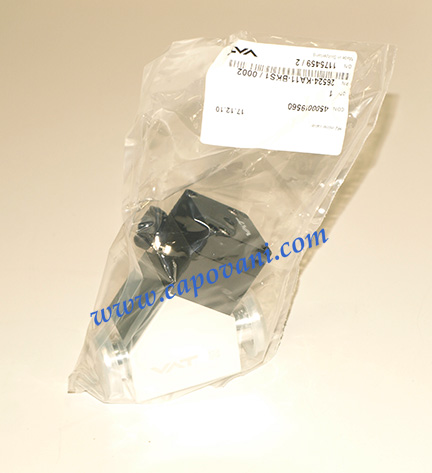
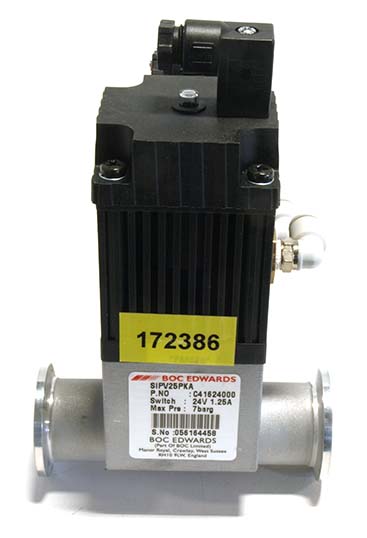
Soft-Start Isolation Valve - Pneumatically Operated

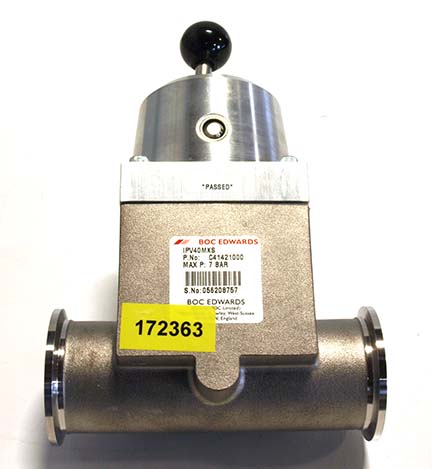
Manual Operation Isolation In-Line Vacuum Valve Part number C41421000
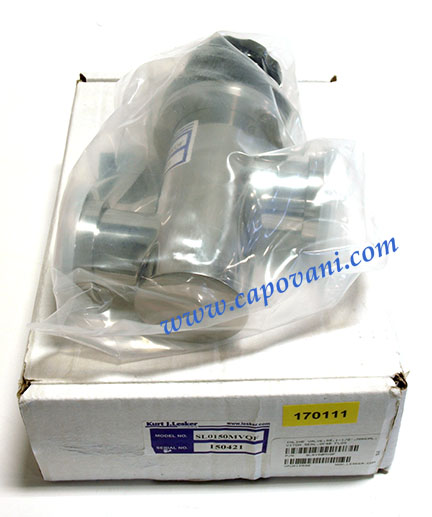
Manual Bellows Sealed Inline Vacuum Valves
Log in with your username/email address