
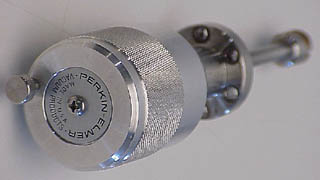
Vacuum Fittings
Vacuum fittings are essential components used to connect and seal vacuum systems. They ensure reliable operation and airtight connections in various manufacturing applications.
-
-

-
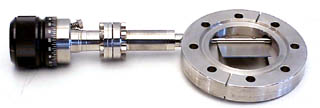
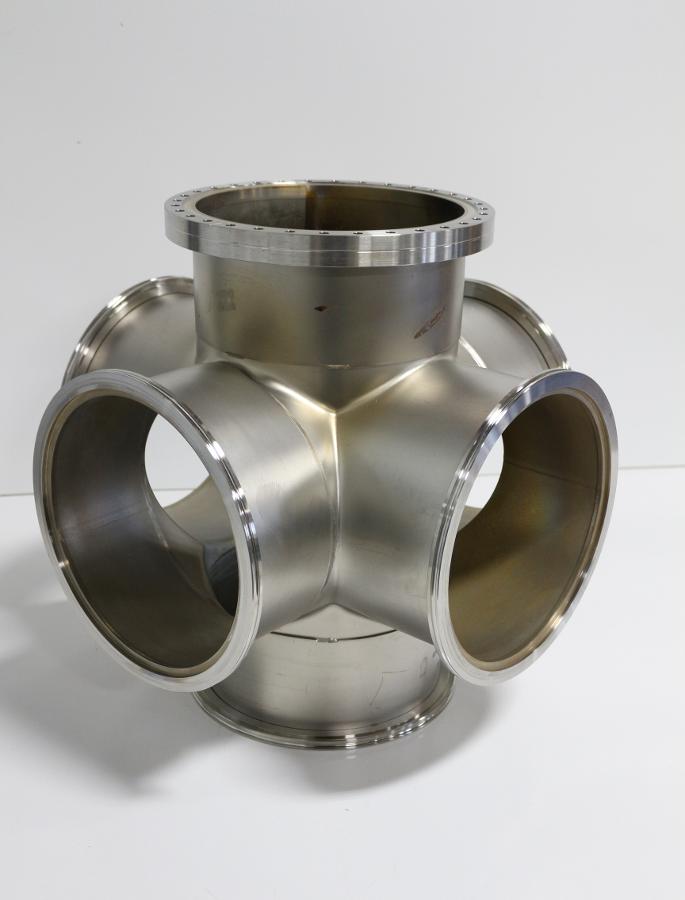
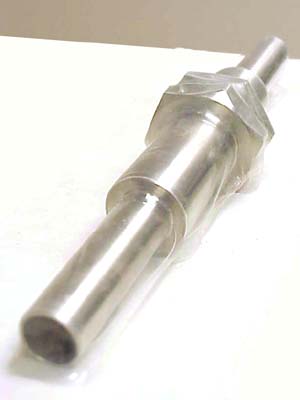
KURT LESKER FLAPPER VIEW PORT SHUTTER
Flapper View Port Shutter Shutters protect view ports in sputtering systems.
-
-
-
-
-
-
-
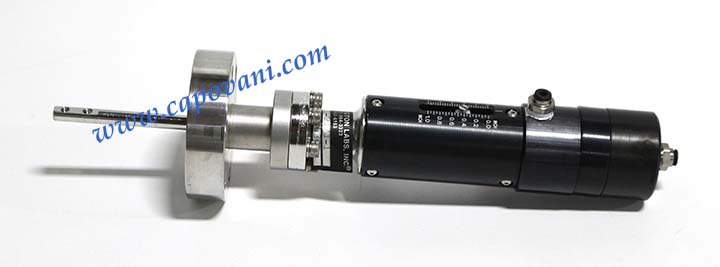
HUNTINGTON VACUUM FEEDTHROUGH LINEAR 1 INCH
Pneumatic Mini Linear Vacuum Feedthrough
-
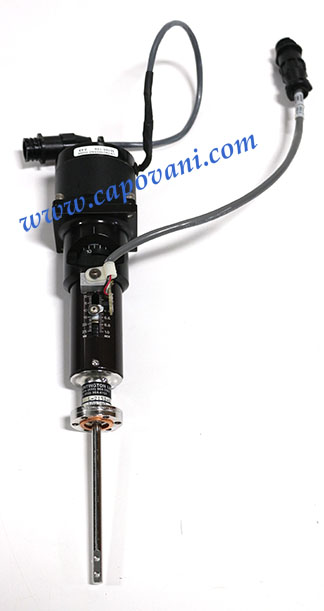
HUNTINGTON VACUUM LINEAR FEEDTHROUGH 1 INCH
Motorized Mini Linear Vacuum Feedthrough
-
HPS BELLOWS KF 40 X 40"
Bellows - New Never Used HPS acquired by MKS Instruments Inc.
Popular Manufacturers
Common Applications
vacuum systems assembly
semiconductor manufacturing
sputtering processes
vacuum sealing
manufacturing equipment maintenance
Frequently Asked Questions
What are the different types of vacuum fittings?
Types include KF flanges, thermocouple feedthroughs, rotary and linear feedthroughs, and view port shutters.
What is the purpose of a vacuum feedthrough?
Vacuum feedthroughs allow the transmission of materials, signals, or motion through a vacuum chamber while maintaining the vacuum integrity.
How do view port shutters function?
View port shutters protect the view ports in vacuum systems by preventing contamination and damage.
Why are surplus vacuum fittings beneficial?
Surplus fittings offer cost savings and immediate availability for replacement or expansion projects.
Log in with your username/email address