
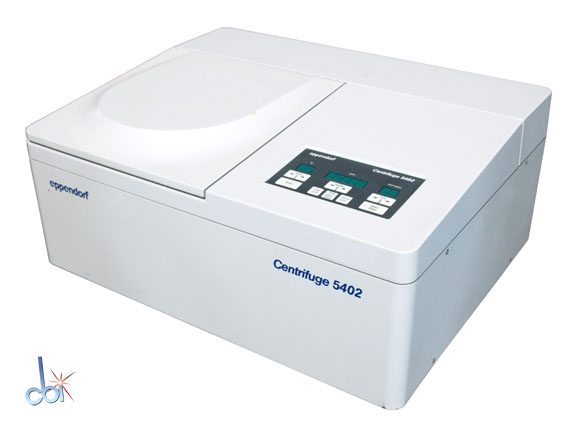
Refrigerated Centrifuges
Refrigerated centrifuges are essential laboratory tools designed for the separation of samples at controlled temperatures. They support precise and reliable results, making them crucial for laboratory applications.
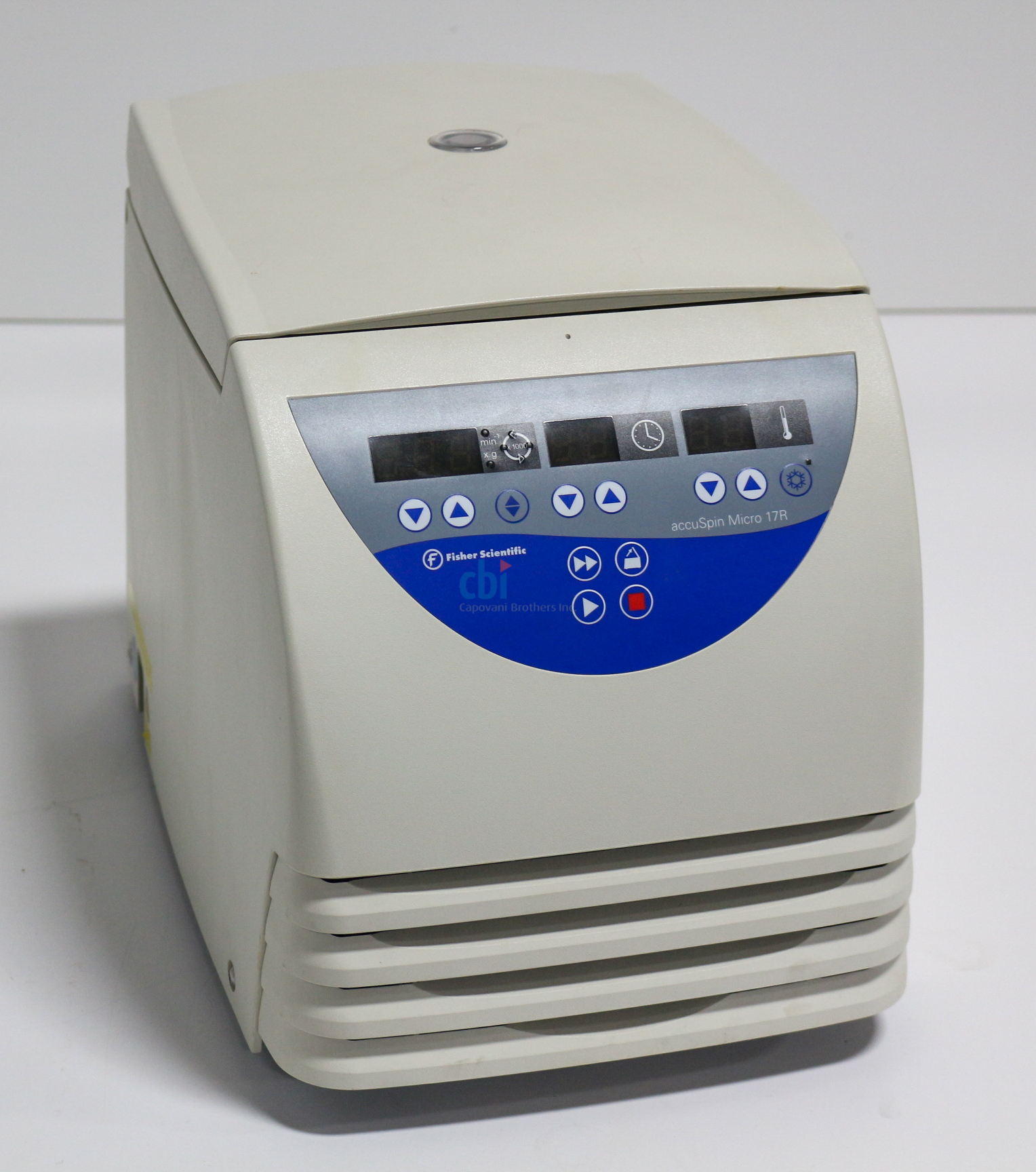
Common Applications
biological sample separation
chemical sample preparation
clinical diagnostics
research laboratories
Frequently Asked Questions
What is a refrigerated centrifuge used for?
A refrigerated centrifuge is used to separate samples at specific temperatures to ensure stability and prevent degradation.
Which brands of refrigerated centrifuges are available in surplus?
Brands such as Eppendorf and Fisher Scientific are commonly available in surplus.
What should I consider when buying a used refrigerated centrifuge?
Check the cooling capacity, RPM capabilities, overall condition, and compatibility with your applications before purchasing.
How do I maintain a refrigerated centrifuge?
Regular maintenance includes cleaning the rotor, checking the temperature settings, and servicing as per the manufacturer's guidelines.
Log in with your username/email address