

O-Rings
O-Rings are critical components used to provide a reliable seal between two parts. They enhance the performance and longevity of industrial systems by preventing leaks and maintaining pressure.
-
-
-
-
-
-
-
-
-
-
AFLAS ORNGO12F10484 O-Ring .139 x 10.484"
ORNGO12F10484 O-Ring Aflas .139 x 10.484" O-Ring Aflas .139 x 10.484" -
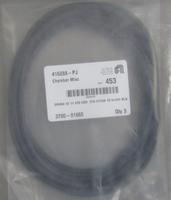
Applied Materials, 3700-01865, O-Ring
Applied Materials, 3700-01865, O-Ring ID 11.475 CSD .210 Viton 75 Duro B O-Ring ID 11.475 CSD .210 -
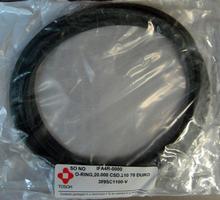
Tosoh 389SC1100 O-Ring, 20.0 CSD.210 70 Duro
Tosoh 389SC1100 O-Ring, 20.0 CSD.210 70 Duro O-Ring, 20.0 CSD.210 70 Duro
Popular Manufacturers
Common Applications
fluid sealing
gas sealing
industrial equipment
machinery maintenance
Frequently Asked Questions
What are O-Rings used for?
O-Rings are used to create a seal between two parts to prevent fluid or gas leaks in industrial applications.
What materials are O-Rings made from?
O-Rings can be made from various materials, including Viton, PTFE, and other elastomers.
How do I choose the right O-Ring?
Consider the size, material compatibility, pressure requirements, and temperature conditions of your application.
Can O-Rings be reused?
It's not recommended to reuse O-Rings as they may degrade over time, affecting their sealing capability.
Log in with your username/email address